Executive Course · 29–30 September 2026
Intellectual Property and Artificial Intelligence
Villa Barton, Geneva Graduate Institute · Centre on Knowledge Governance with Executive Education, IHEID · 10 sessions, 13 faculty
This intensive two-day course gave a comprehensive, comparative analysis of the evolving legal and policy landscape at the intersection of intellectual property and artificial intelligence.
Participants explored pressing legal challenges, including the use of copyrighted works for AI training, the patentability and copyrightability of AI-generated outputs, and the balance between proprietary interests and the public interest in research and the development of “public-oriented AI”.
Each session was led by a panel of experts, with time for discussion and questions, and each day ended with an exercise in which teams drafted mock domestic or international rules on copyright and AI.
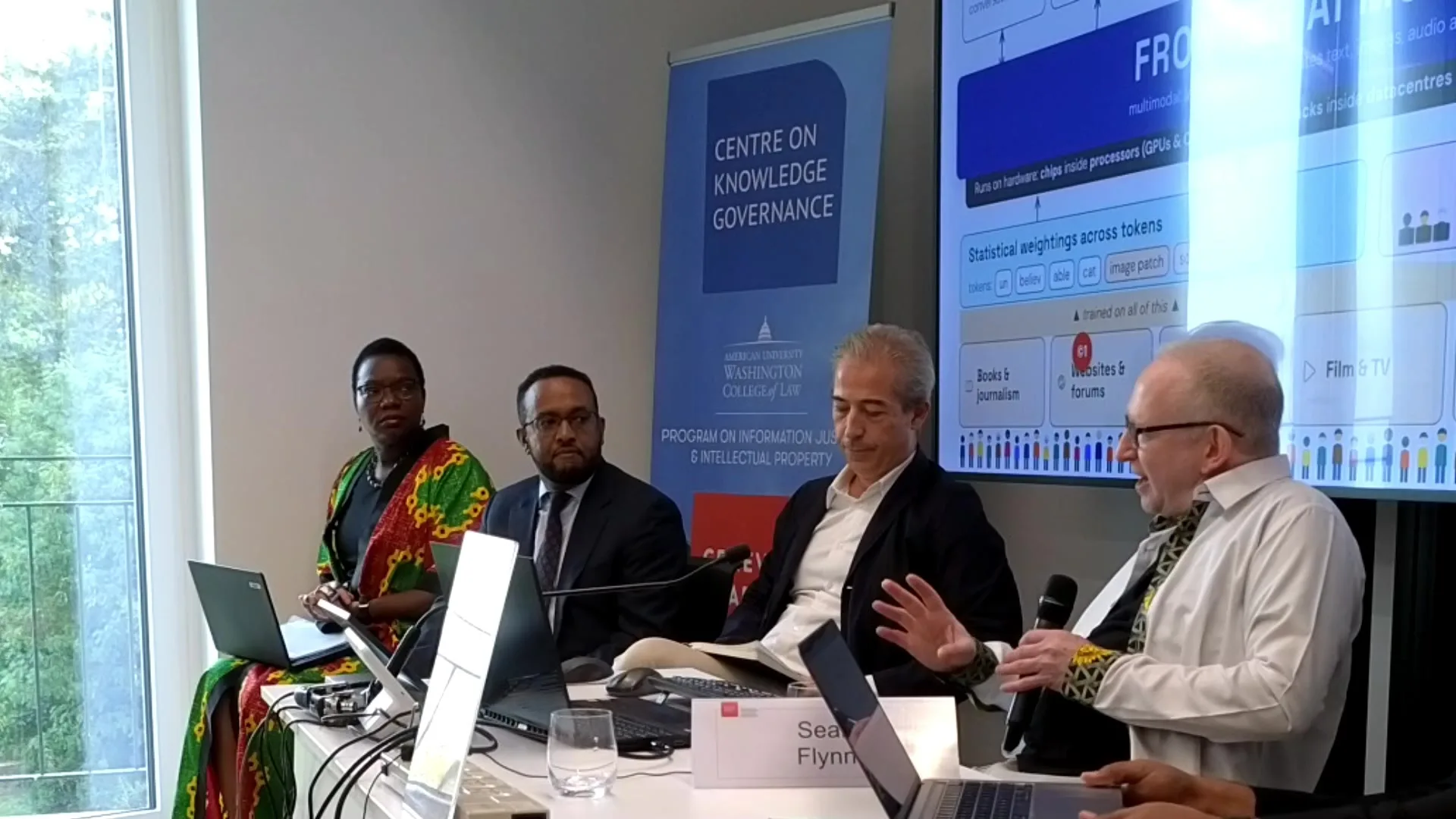
Tuesday 29 September
Welcome and introductions
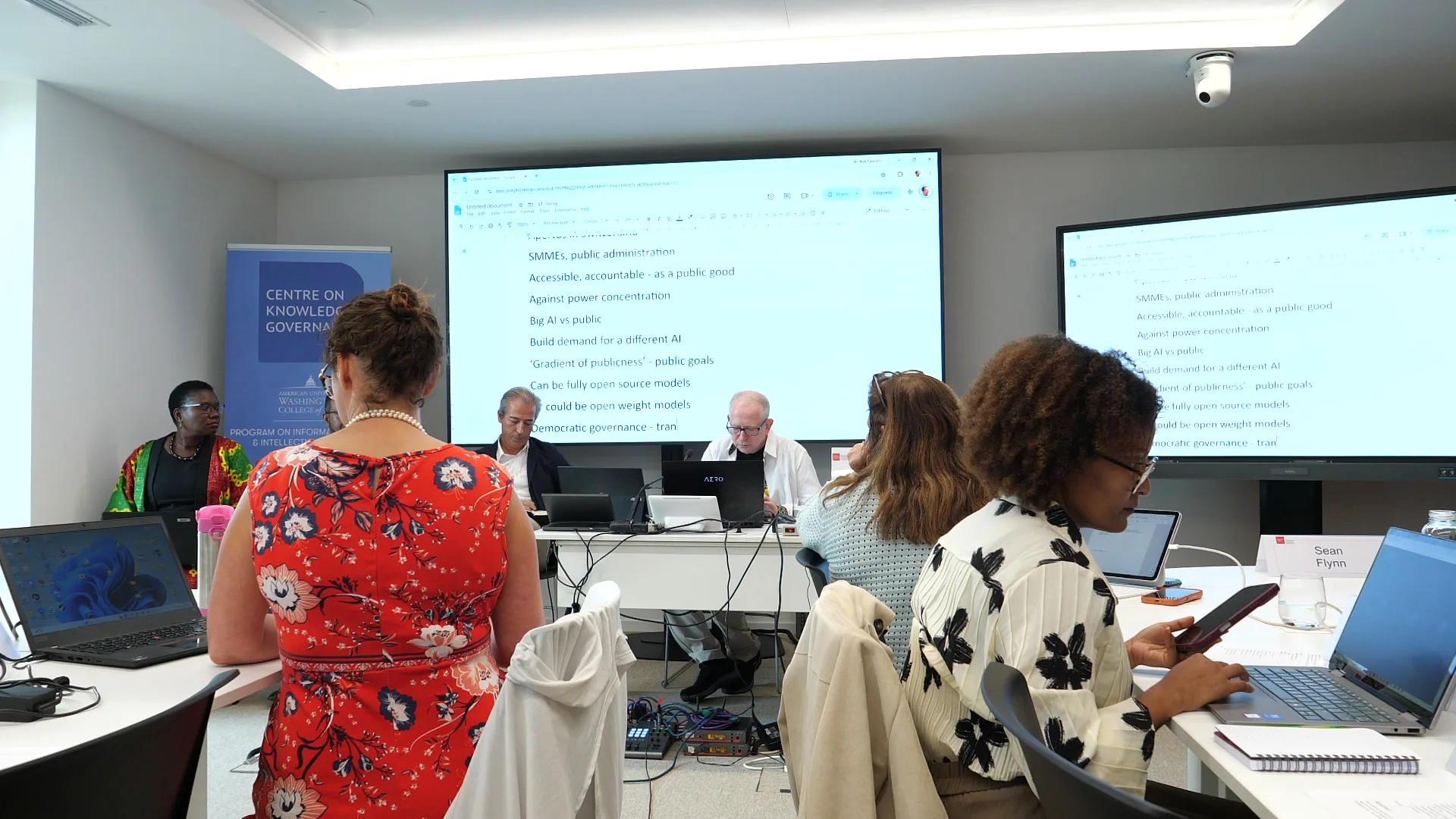
The course opened with a roundtable. Each participant introduced themselves and named an issue they hoped to learn about, then looked through the questions set for each session in the syllabus and said which they most wanted the faculty to address.
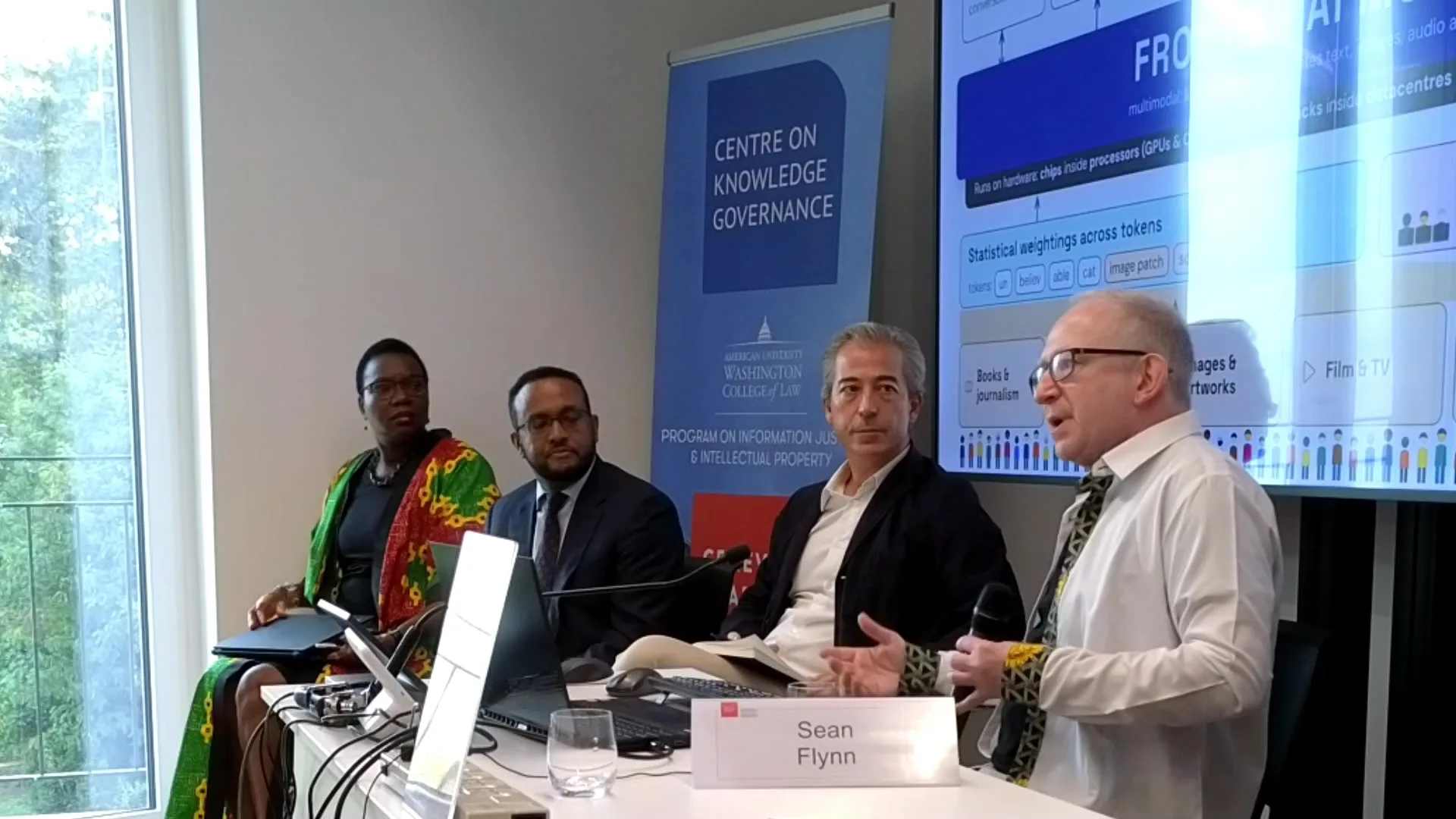
Sean Flynn set out the shape of the two days: expert panels with time for questions in every session, and a practical drafting exercise at the end of each day.
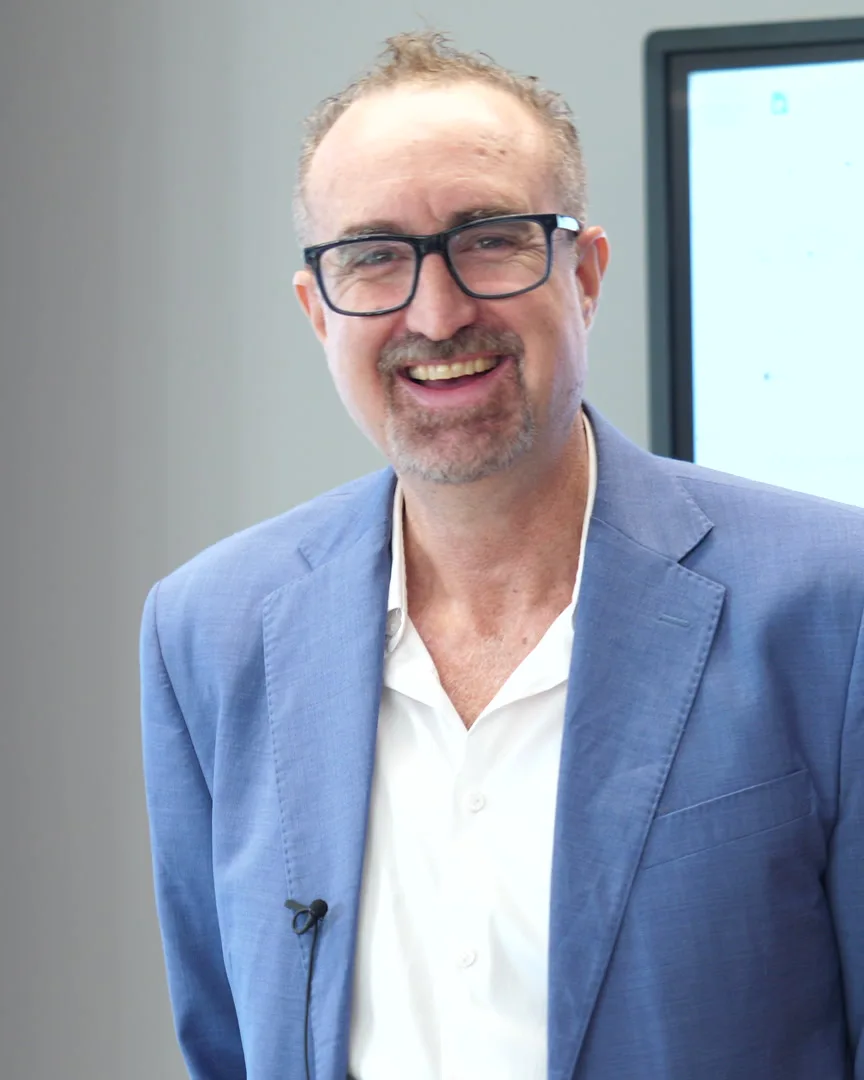 Sean FlynnWelcome and introductions
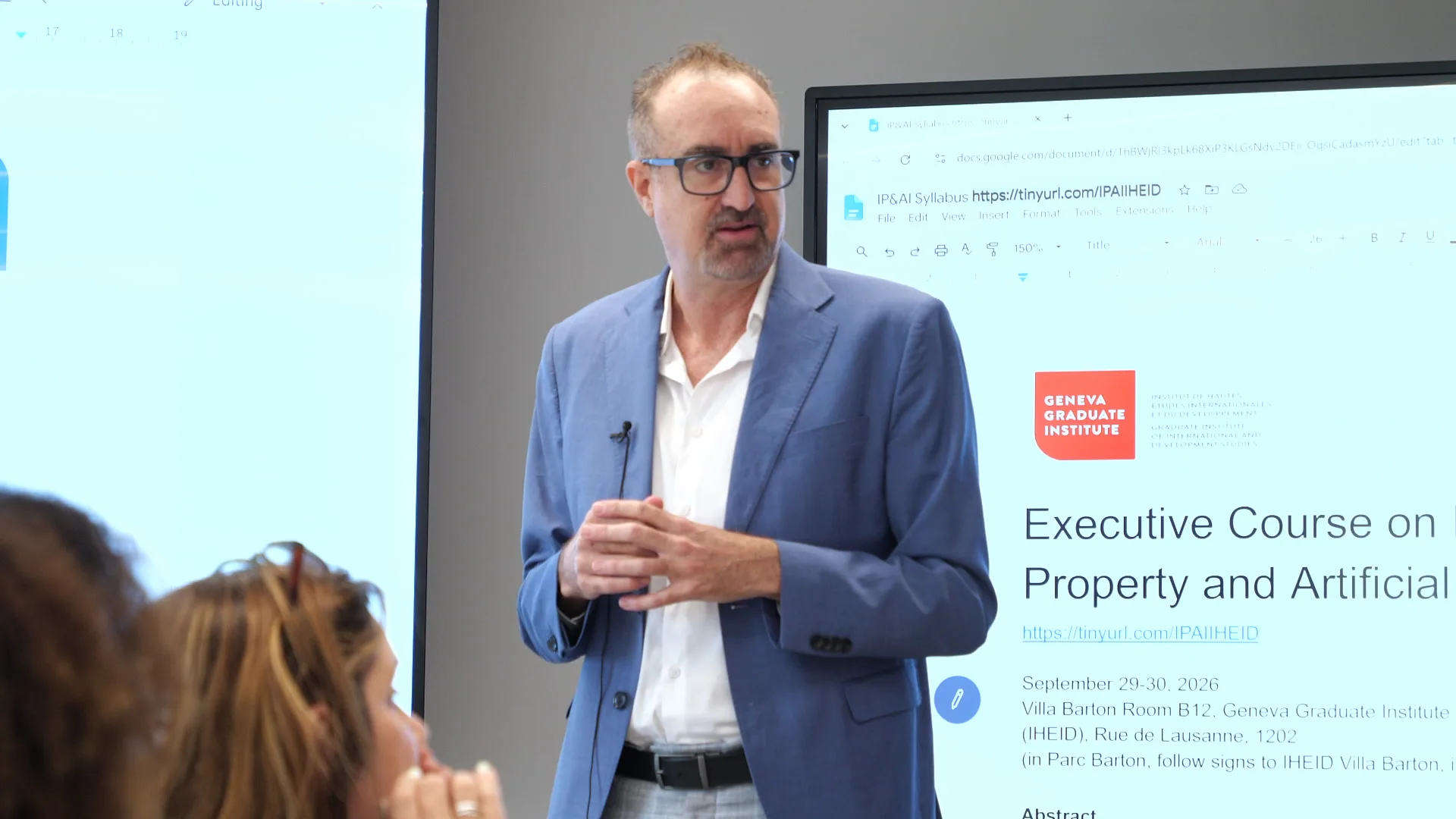
AI 101
A grounding in how today’s AI actually works, from the basics of machine learning to the large language models behind tools like ChatGPT, and the different points at which these systems copy, store and use copyrighted content.
The panel then turned to what “Public AI” and “Just AI” mean: AI infrastructure built in the public interest, with public data and open models, rather than only by a handful of commercial firms. Speakers looked at how AI is being used and developed in the developing world, the global AI divide, inequitable “openness” in licences for sharing African data and datasets, and the role intellectual property plays in shaping AI governance in Africa.
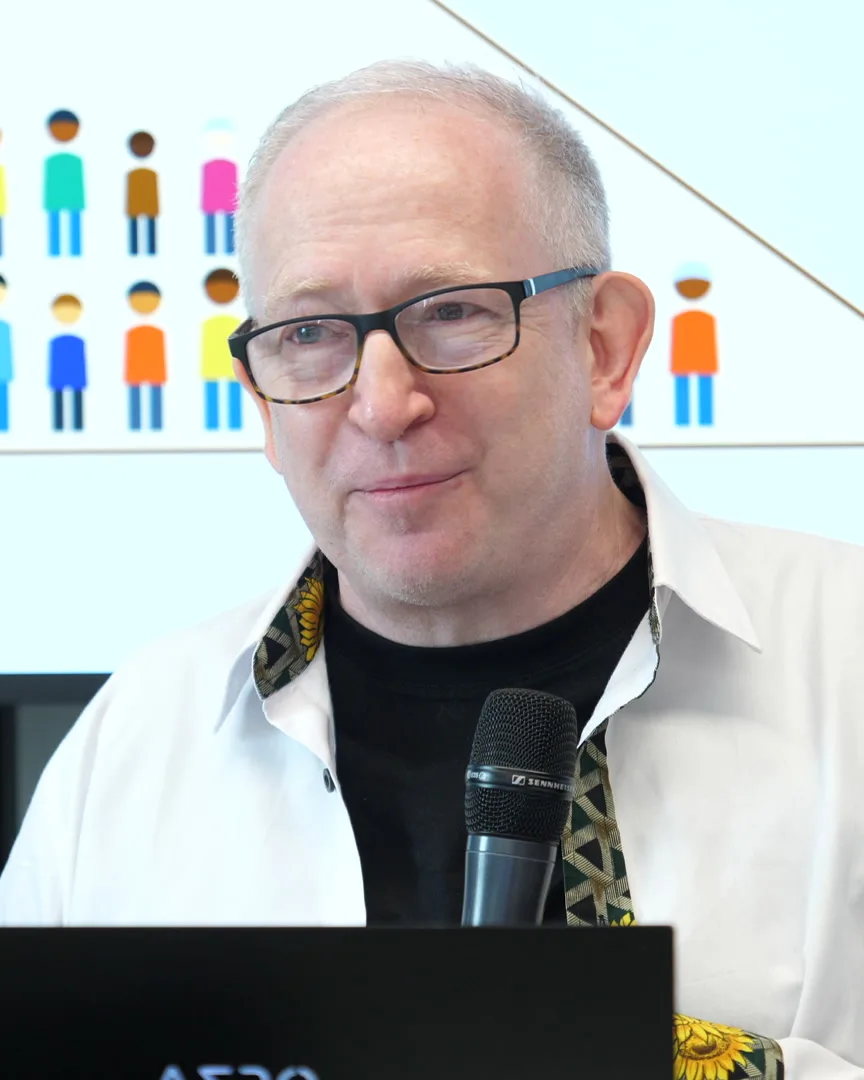 Ben CashdanAI 101: components and challenges
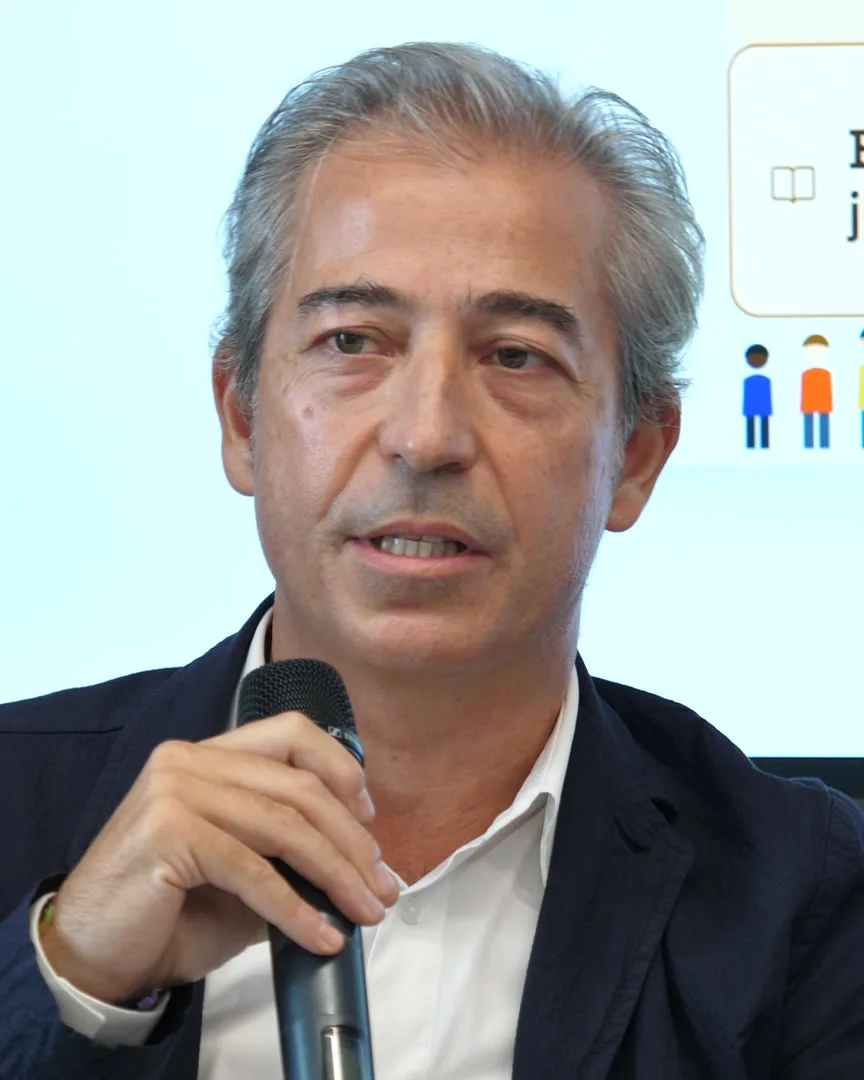 Luca CominassiPublic AI as public infrastructure
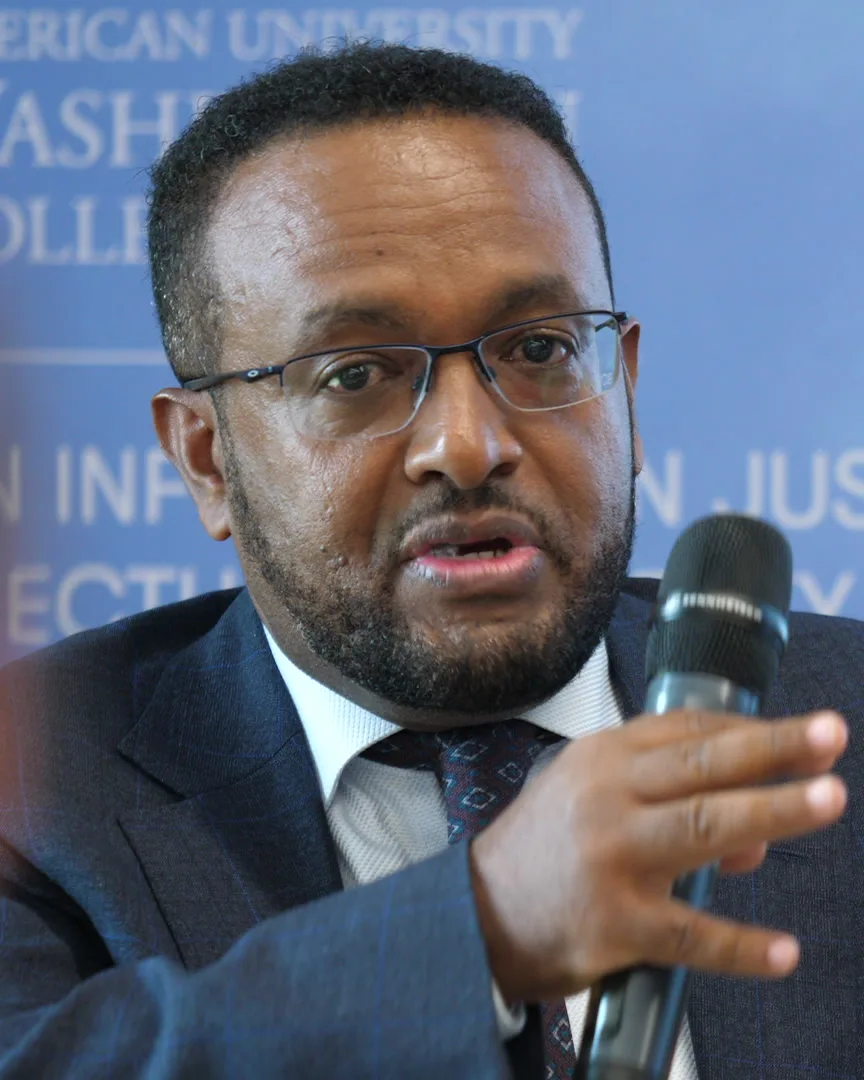 Teshager DagneCommunity-oriented AI in the Global South
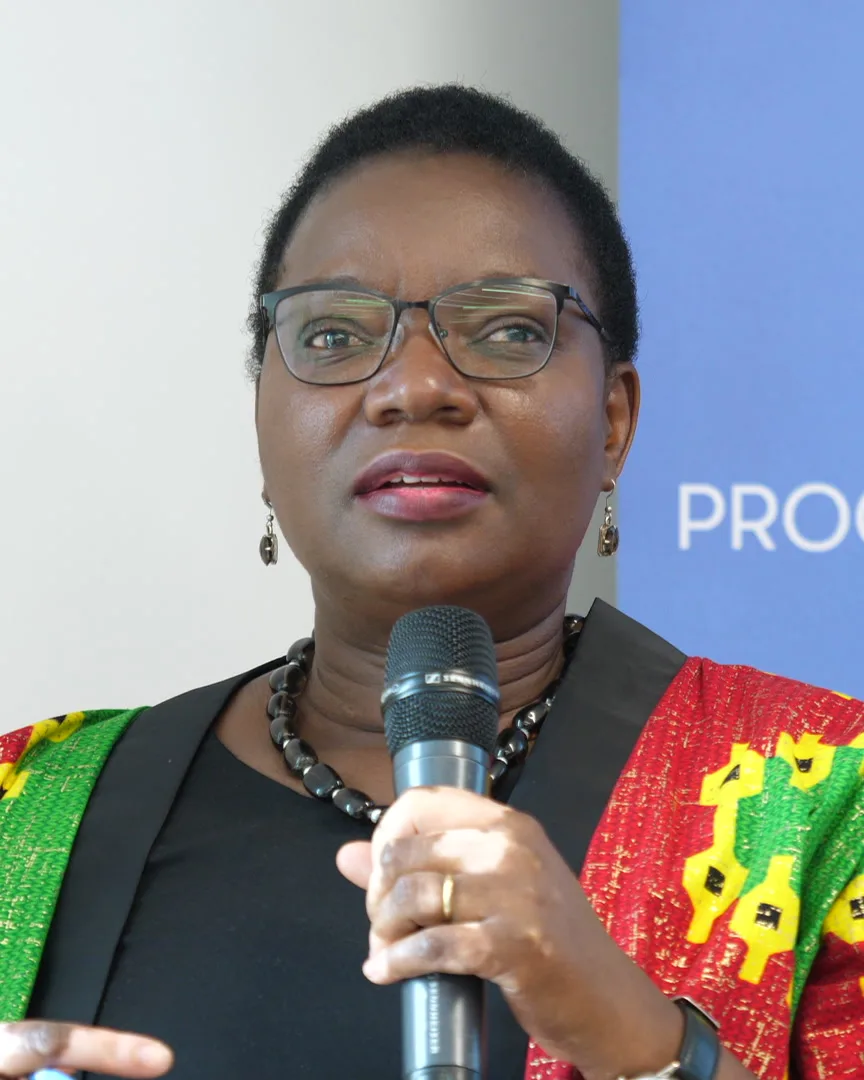 Susan Isiko ŠtrbaAfrican data and AI strategies
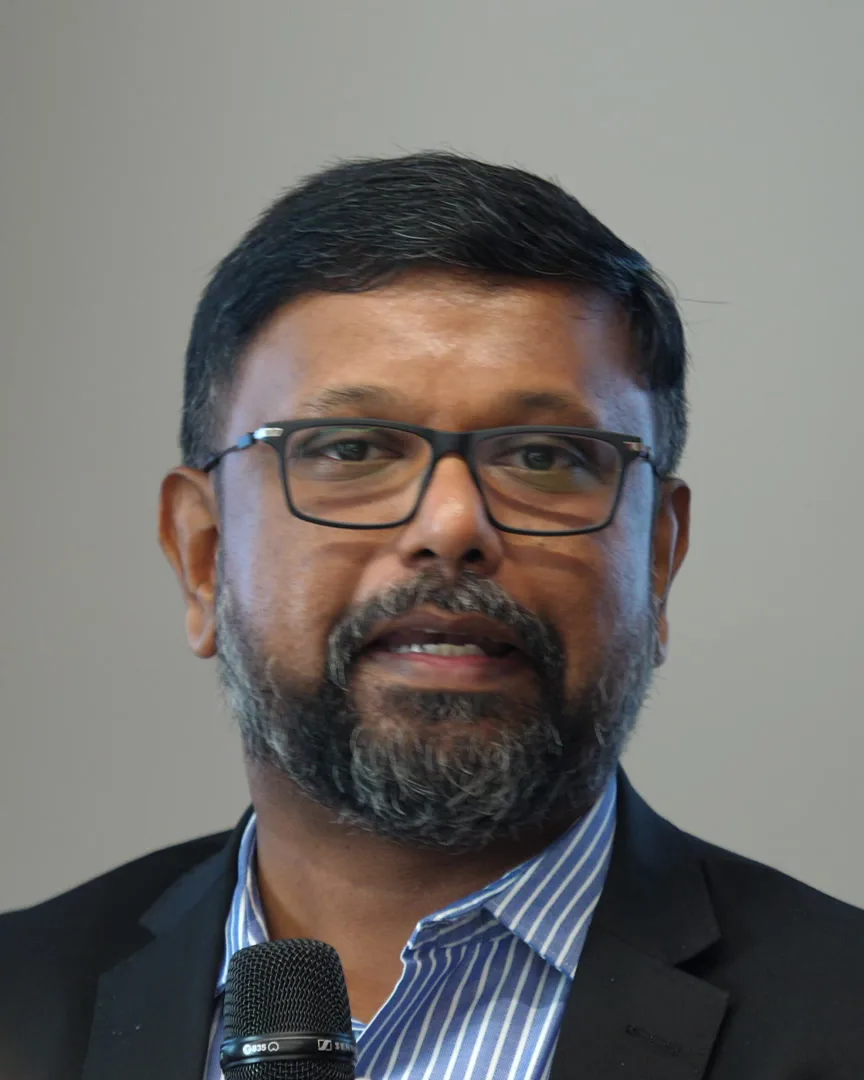 Arul George ScariaAI in India: high adoption, high trust
Questions for the session
- How do AI tools use copyrighted content?
- What is Public AI? What is Just AI?
- How is AI being used and developed in the developing world?
Copyright 101
The foundations of copyright, for specialists and newcomers alike. Starting from the Berne Convention, the panel set out what copyright is designed to protect, which of its elements international law requires every country to protect, and where countries keep room to set their own rules.
It then took on the doctrinal debates that matter most when those elements meet AI: whether the copies made in training are reproductions, how the line between ideas and expression applies to what models learn, whether human creators can coexist with AI, the risk of an “AI-copyright trap” that stretches copyright too far, and the competing theories of intellectual property behind each position.
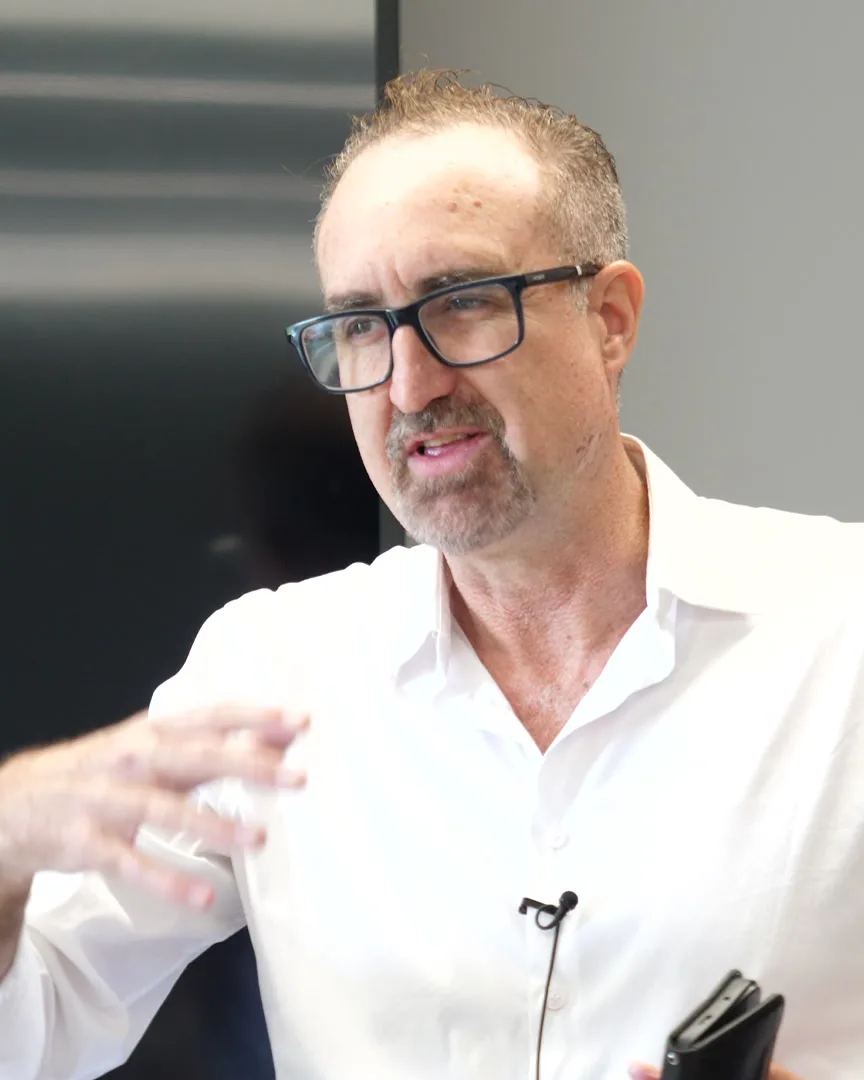 Sean FlynnOverview of Copyright 101
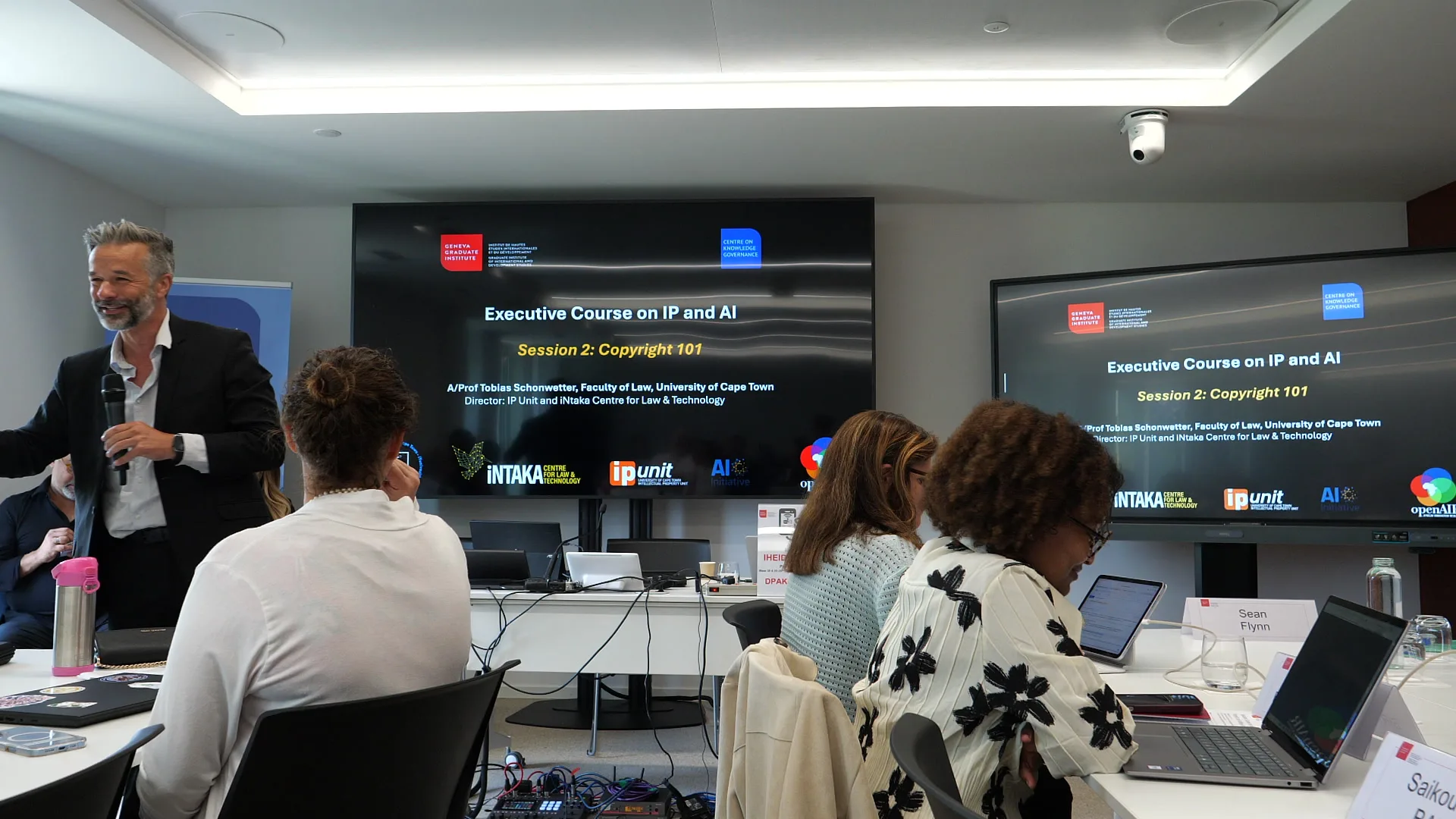
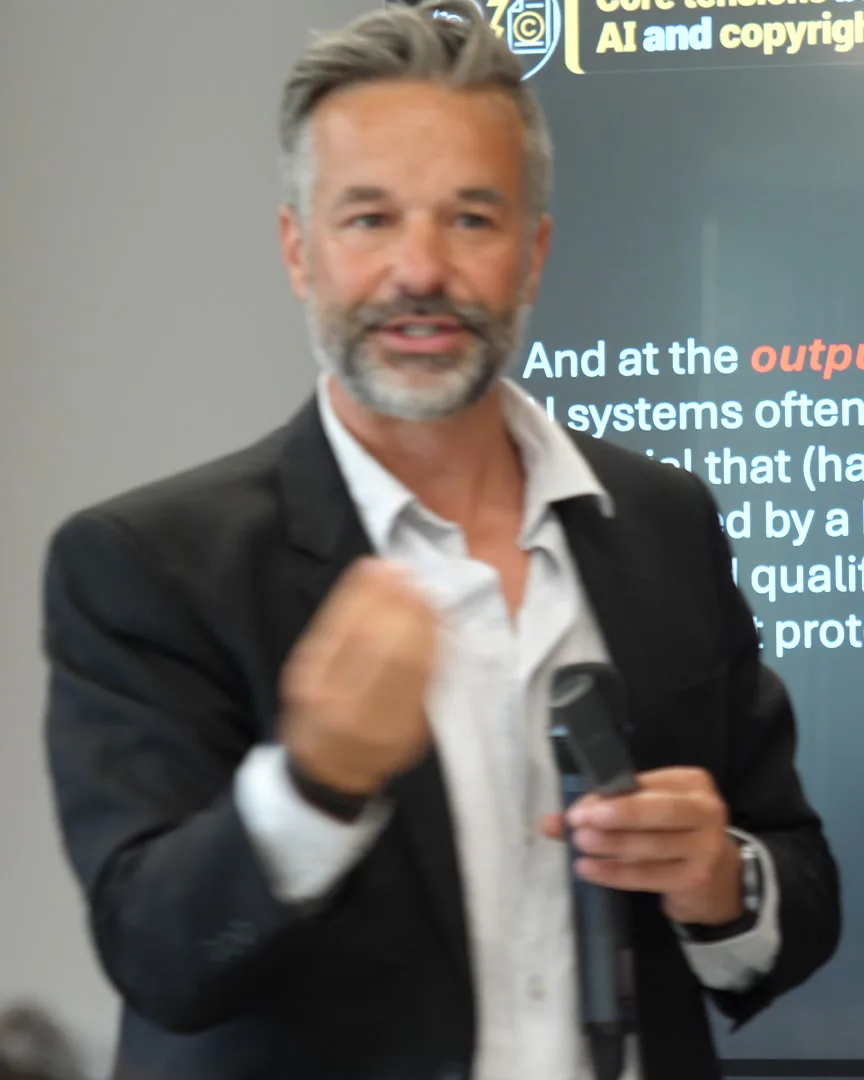 Tobias SchonwetterCopyright basics: principles and treaties
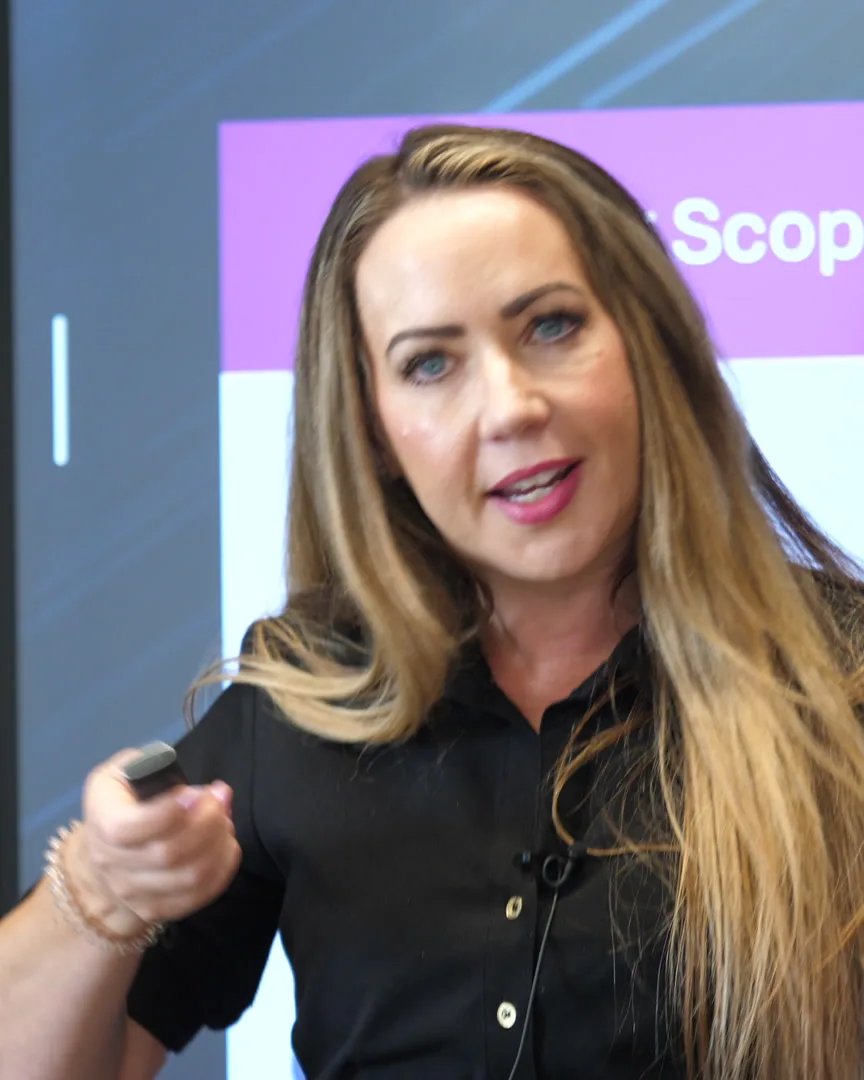 Carys CraigUnpacking copyright’s core doctrines
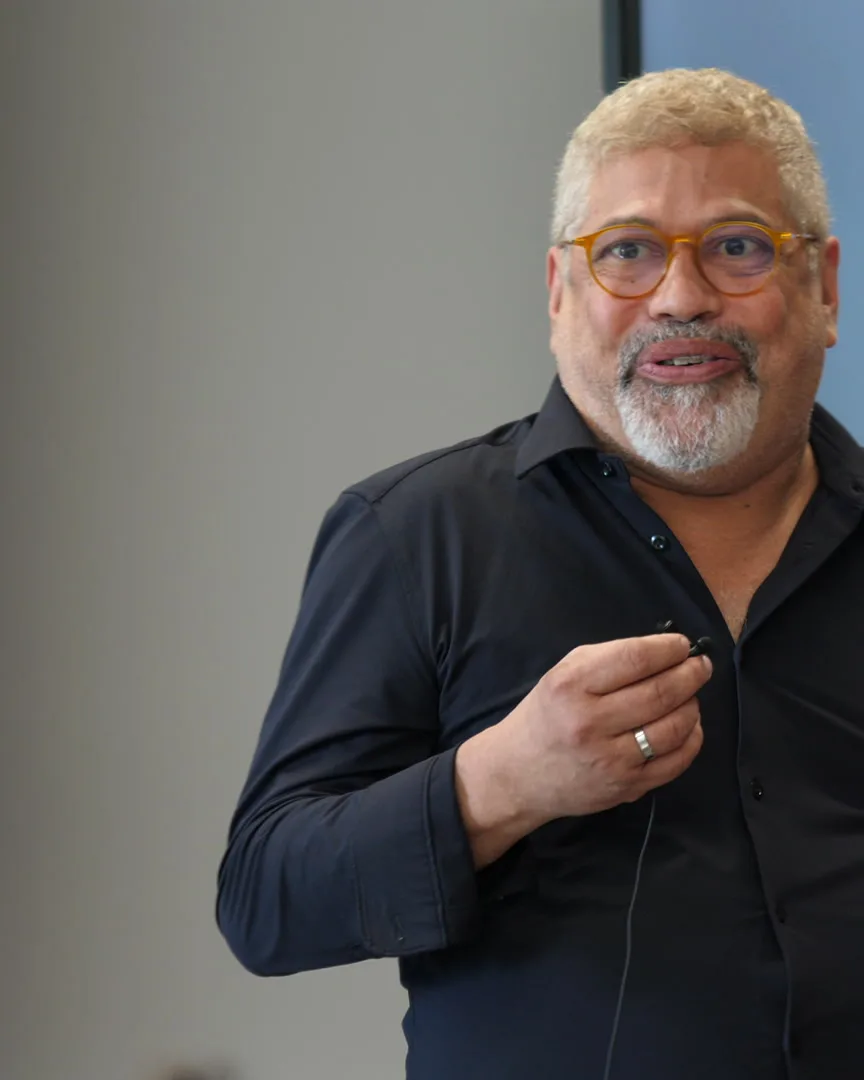 Allan Rocha de SouzaThe act of creation
Questions for the session
- What is copyright designed to protect?
- Which elements of copyright most applicable to AI uses must be protected at the international level?
- What are the most important doctrinal debates about how to interpret those elements as applied to AI uses?
13:00Lunch
Fair Use and AI Training
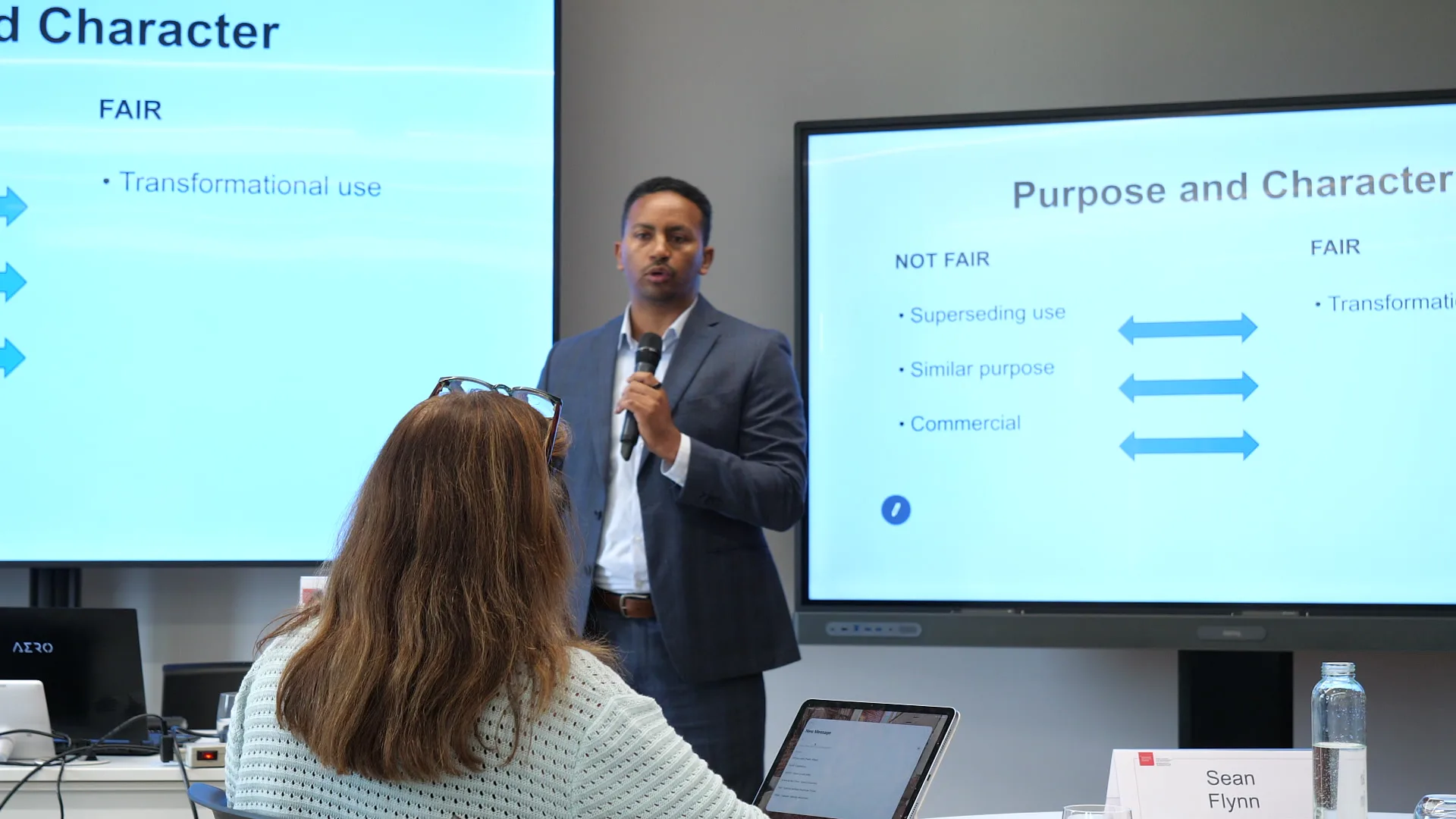
A lecture on the US fair use doctrine and how its four factors have been applied to computational research and AI, followed by comments. The session worked through the first US court rulings on AI training, including Bartz v. Anthropic (and its treatment of pirated works), Kadrey v. Meta and Thomson Reuters v. Ross Intelligence, where the judges have appeared torn.
It also examined how different parts of the US government, the courts, the Copyright Office in its report on generative AI training and its economic research, and the Department of Justice, have read the market harm and substitution factor for commercial AI. Participants discussed what would be globalised if fair use were exported, and how a country could amend its own fair use exception to take account of market dilution caused by an AI model.
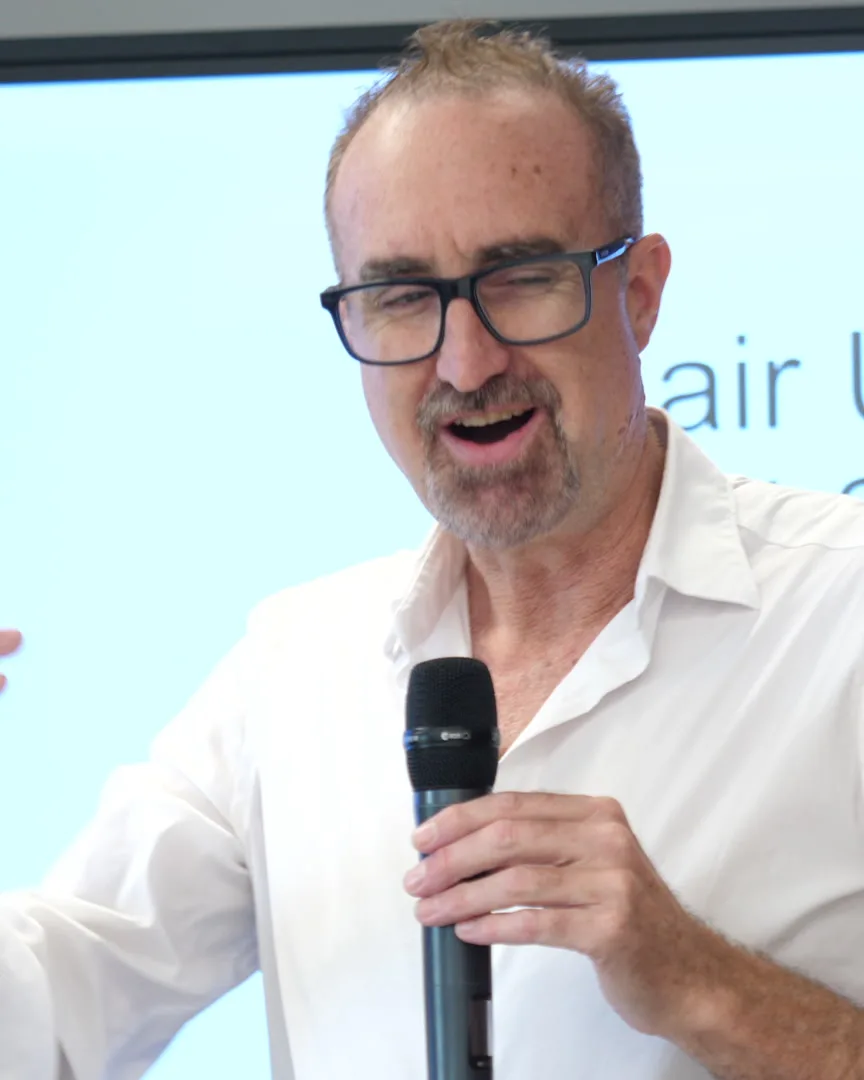 Sean FlynnOverview of Fair Use and AI Training
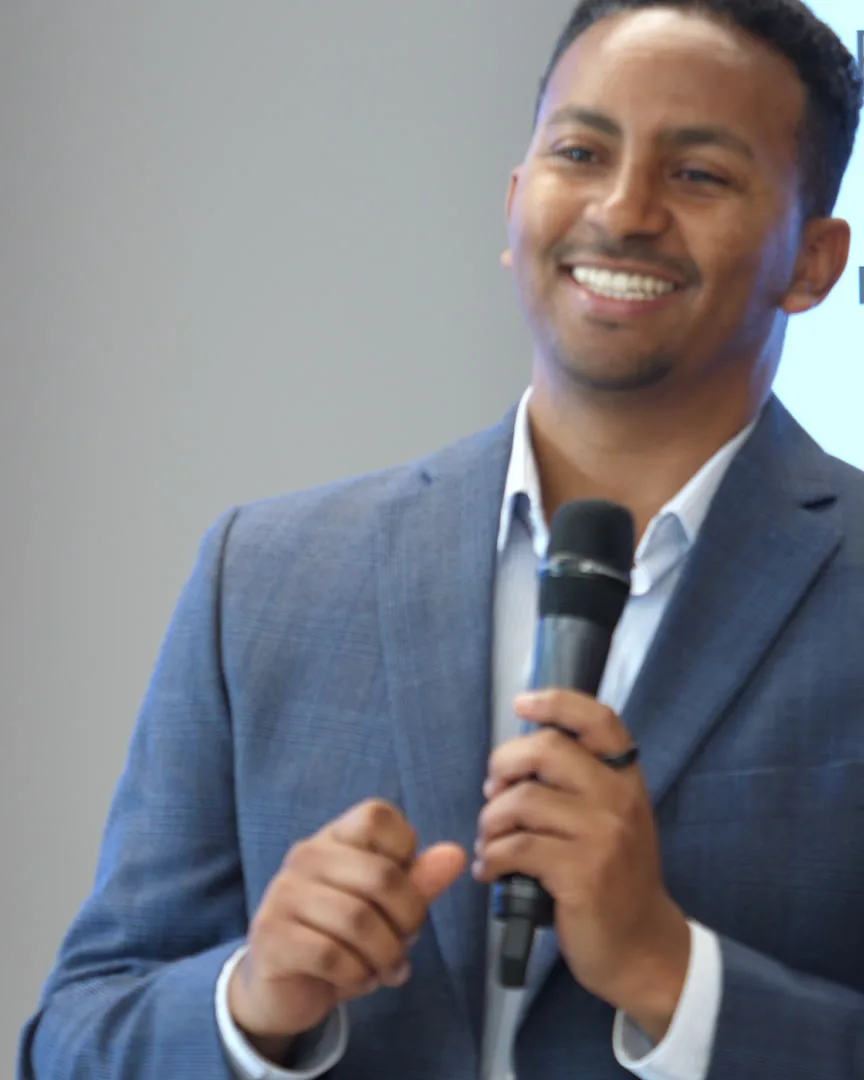 Aman GebruFair use and AI: the US perspective
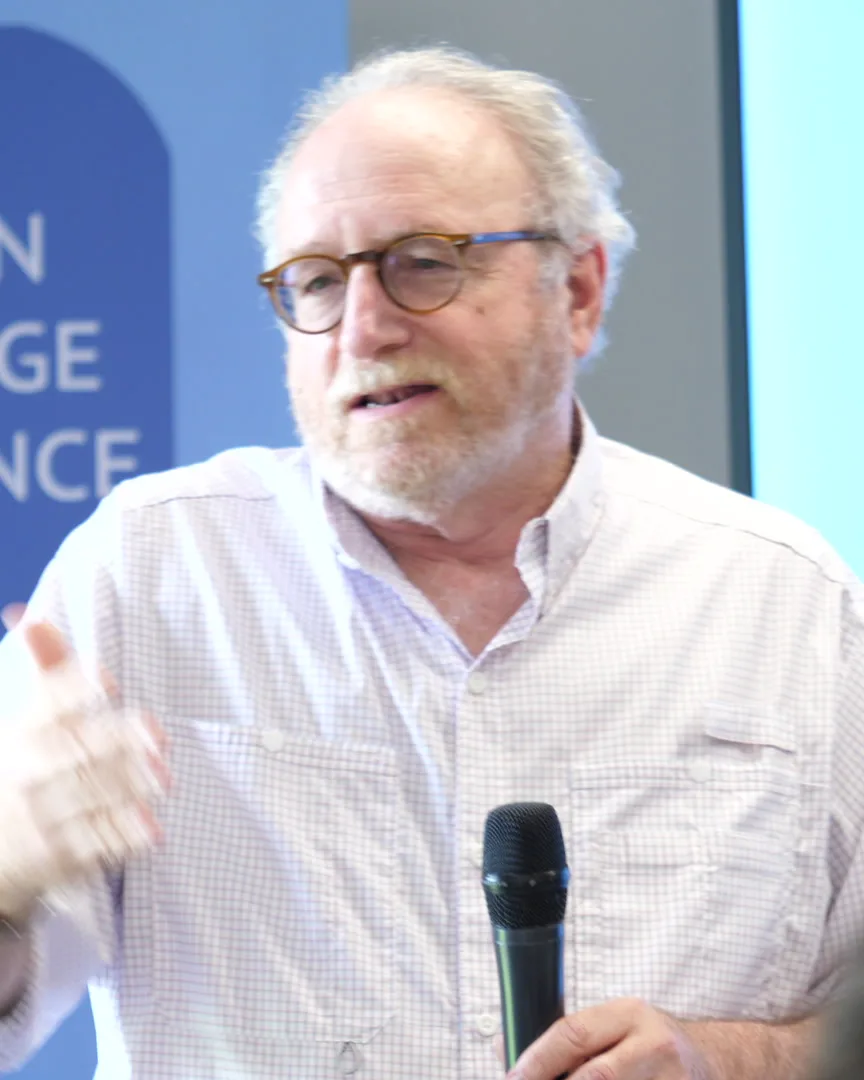 Jonathan BandWhy Anthropic settled: class actions and statutory damages
Questions for the session
- What are the main elements of the fair use exception in the USA, and how have the factors been applied to computational research and AI?
- How have the courts, the Copyright Office and the Department of Justice interpreted the market harm and substitution element of fair use for commercial AI?
- What would be globalised if fair use were exported?
- How could a country amend its fair use exception to consider the market dilution effects of an AI model under the fourth factor?
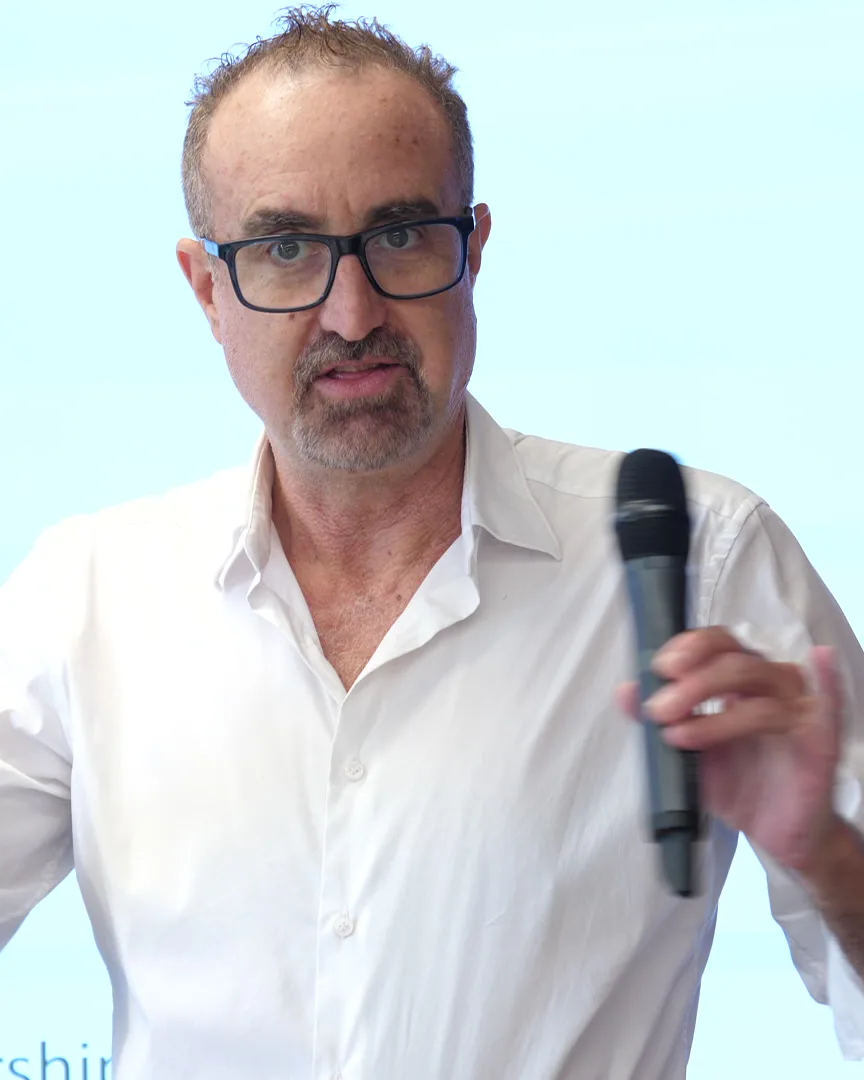
Comparative law on limitations and exceptions for AI training
How other legal systems treat the use of copyrighted works for computational research and AI training, in statutes and in the courts. The panel covered research exceptions in comparative copyright law, including text and data mining exceptions in Latin America; the European Union’s text and data mining exceptions in the 2019 Digital Single Market Directive, the German Kneschke v. LAION decision and current controversies over opt-outs and the AI Act; and recent developments in India, including ANI v. OpenAI before the Delhi High Court.
Recent reports from the European Parliament and the UK House of Lords were set alongside proposals for international minimum standards, and each approach was compared with the US fair use analysis from the previous session.
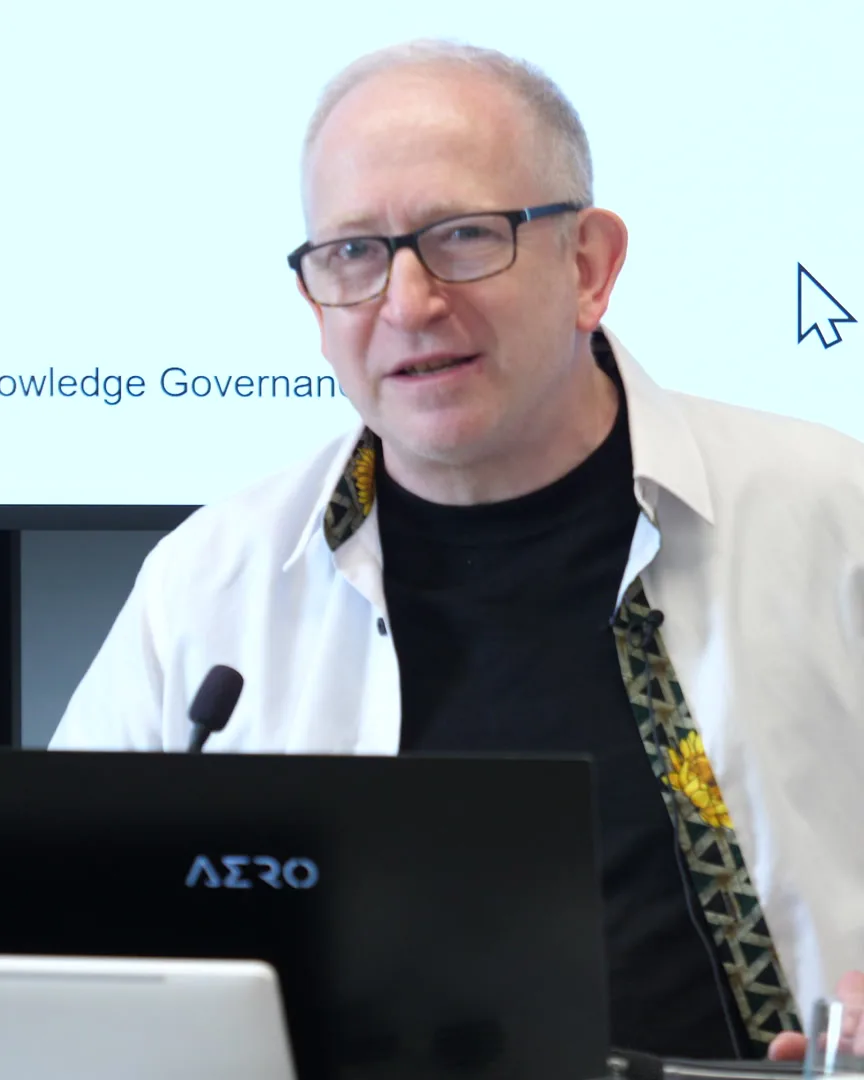 Ben CashdanOverview of Comparative Law on Exceptions for AI Training
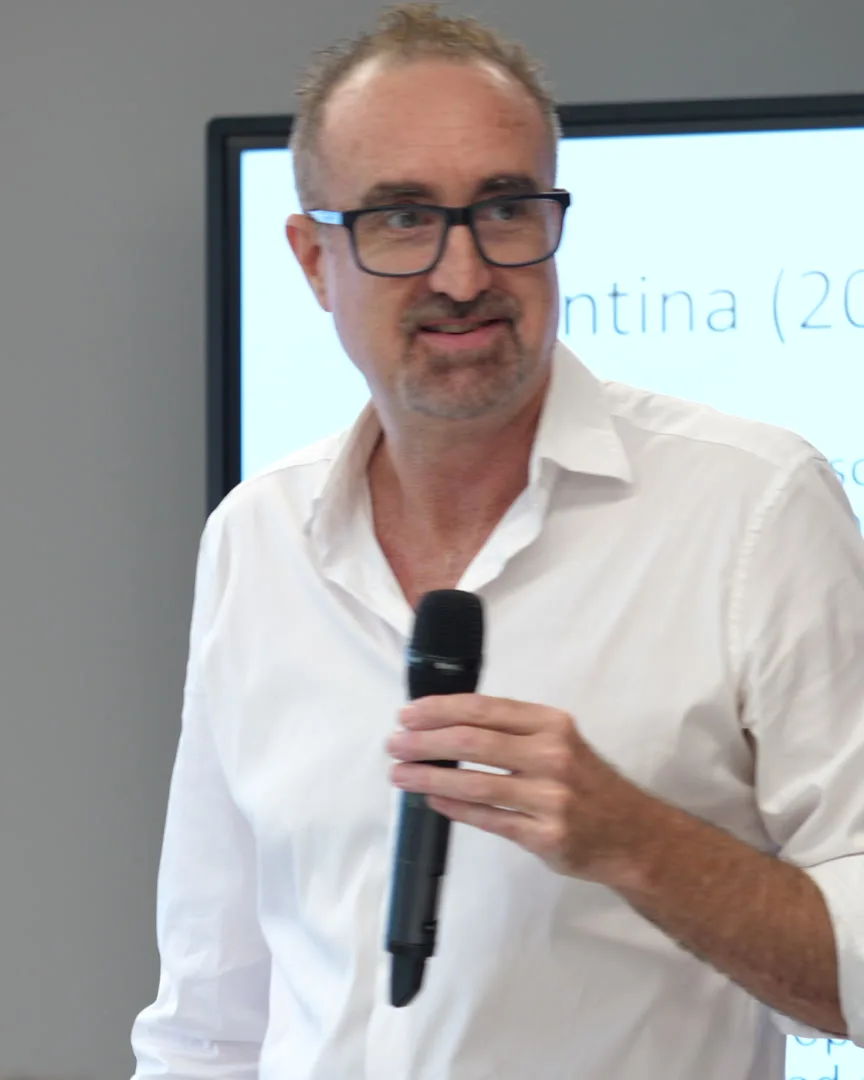 Sean FlynnResearch exceptions in comparative copyright
- Luca CominassiEU text and data mining exceptions and current controversies
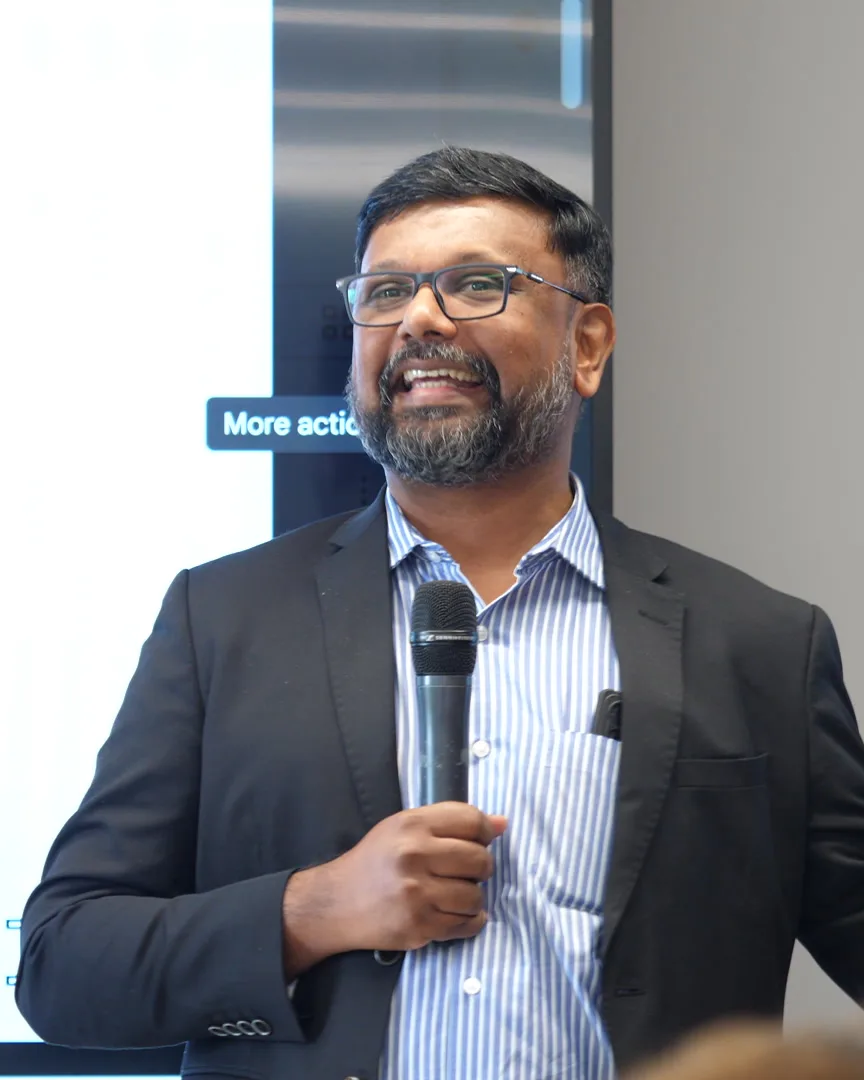 Arul George ScariaRecent developments in India
Questions for the session
- How do other countries treat uses of copyrighted materials for computational research or AI training, in statutes or court decisions?
- How do other approaches differ from, or resemble, the fair use analysis?
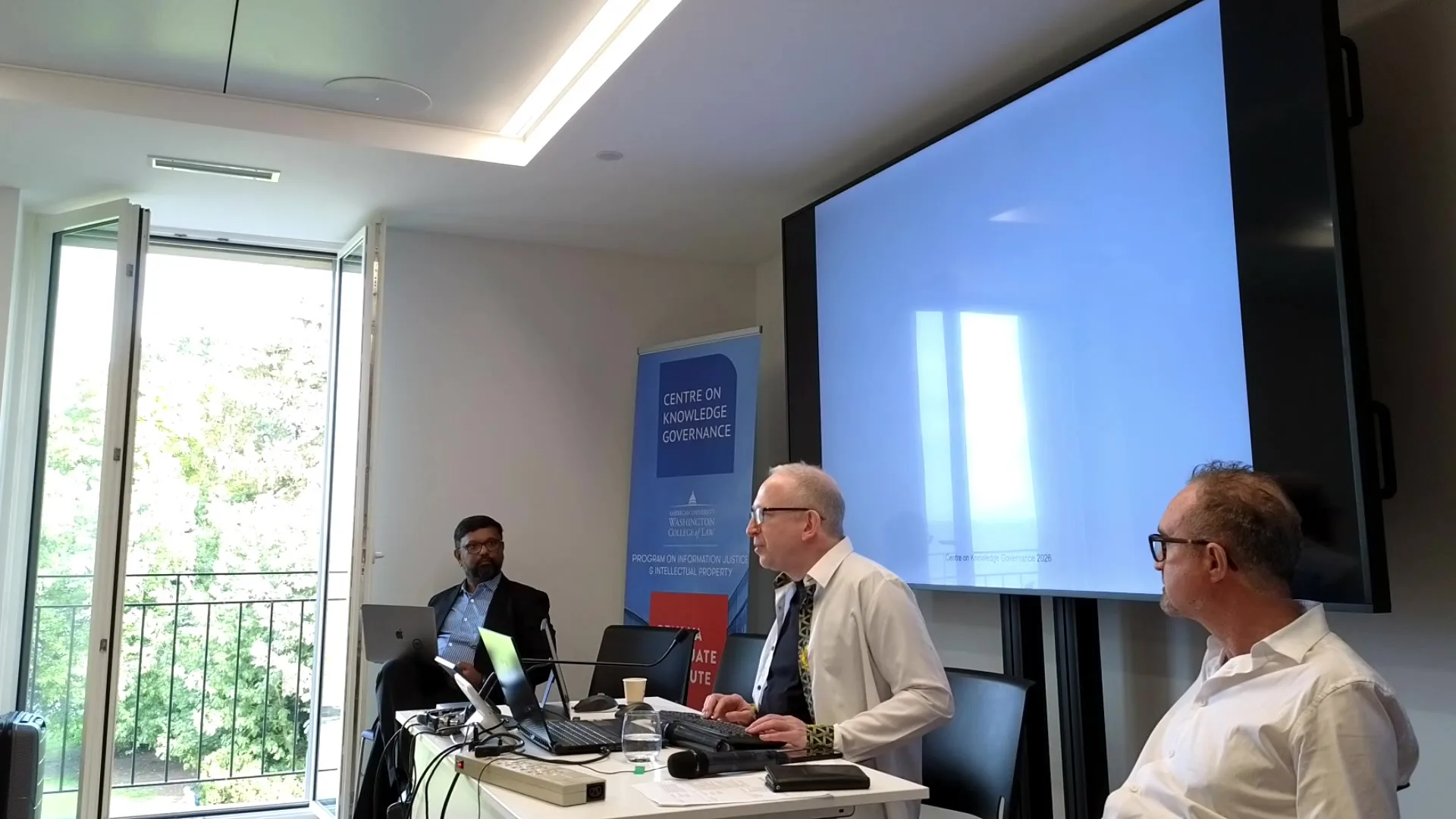
Exercise, part 1
At the end of the first day, participants formed teams and began drafting mock domestic or international rules on copyright and AI, drawing on the day’s sessions.
- Sean FlynnIntroduction to the exercise
18:00Close
Wednesday 30 September
Remuneration
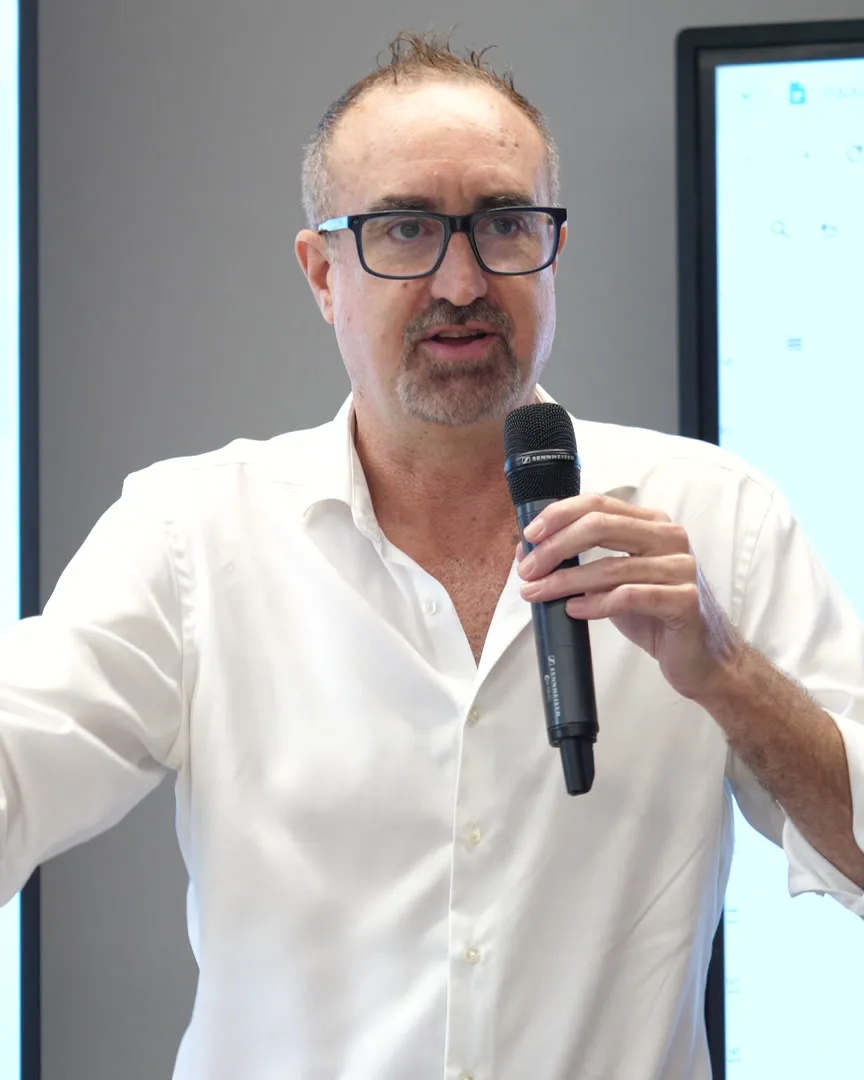
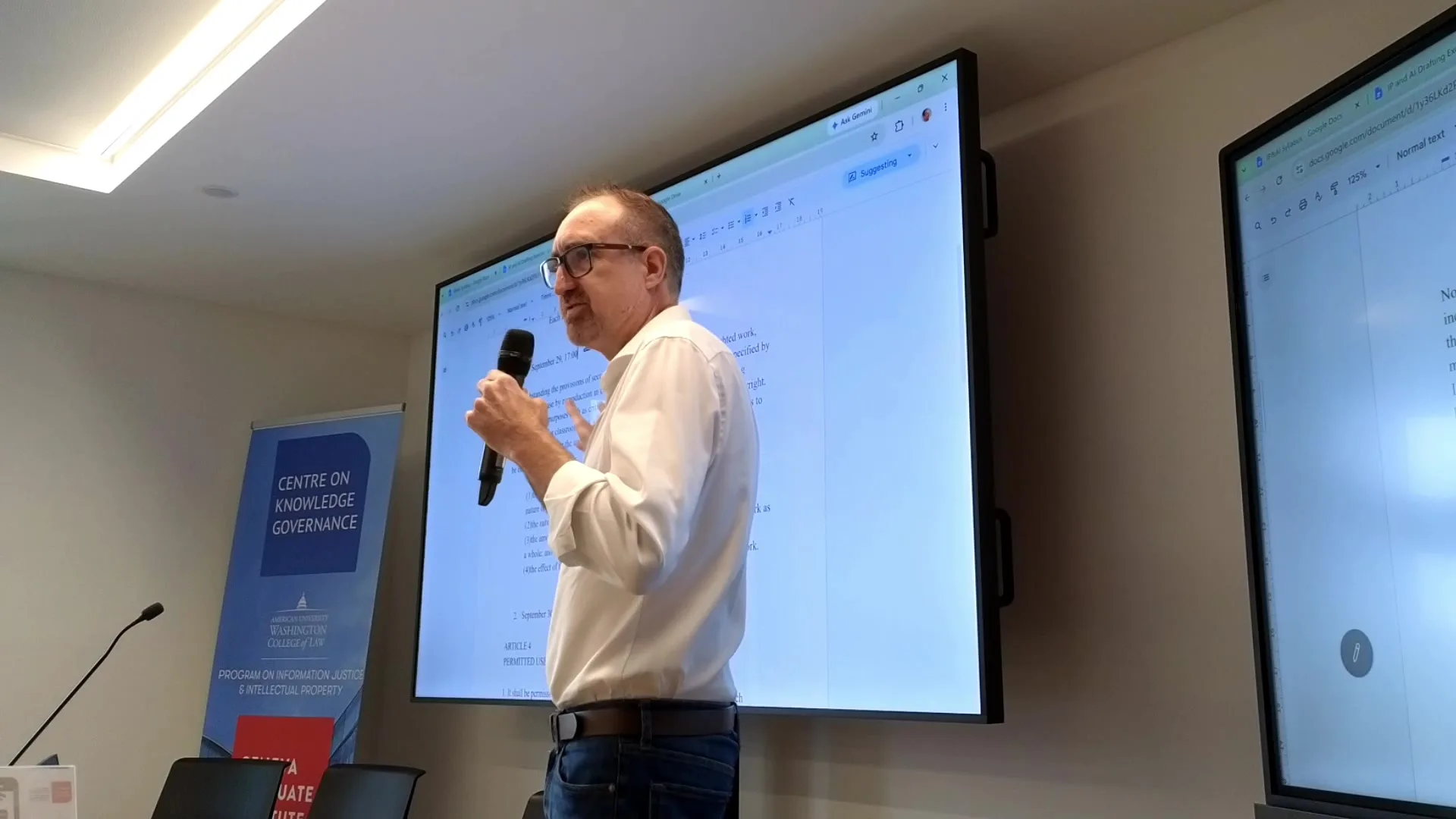
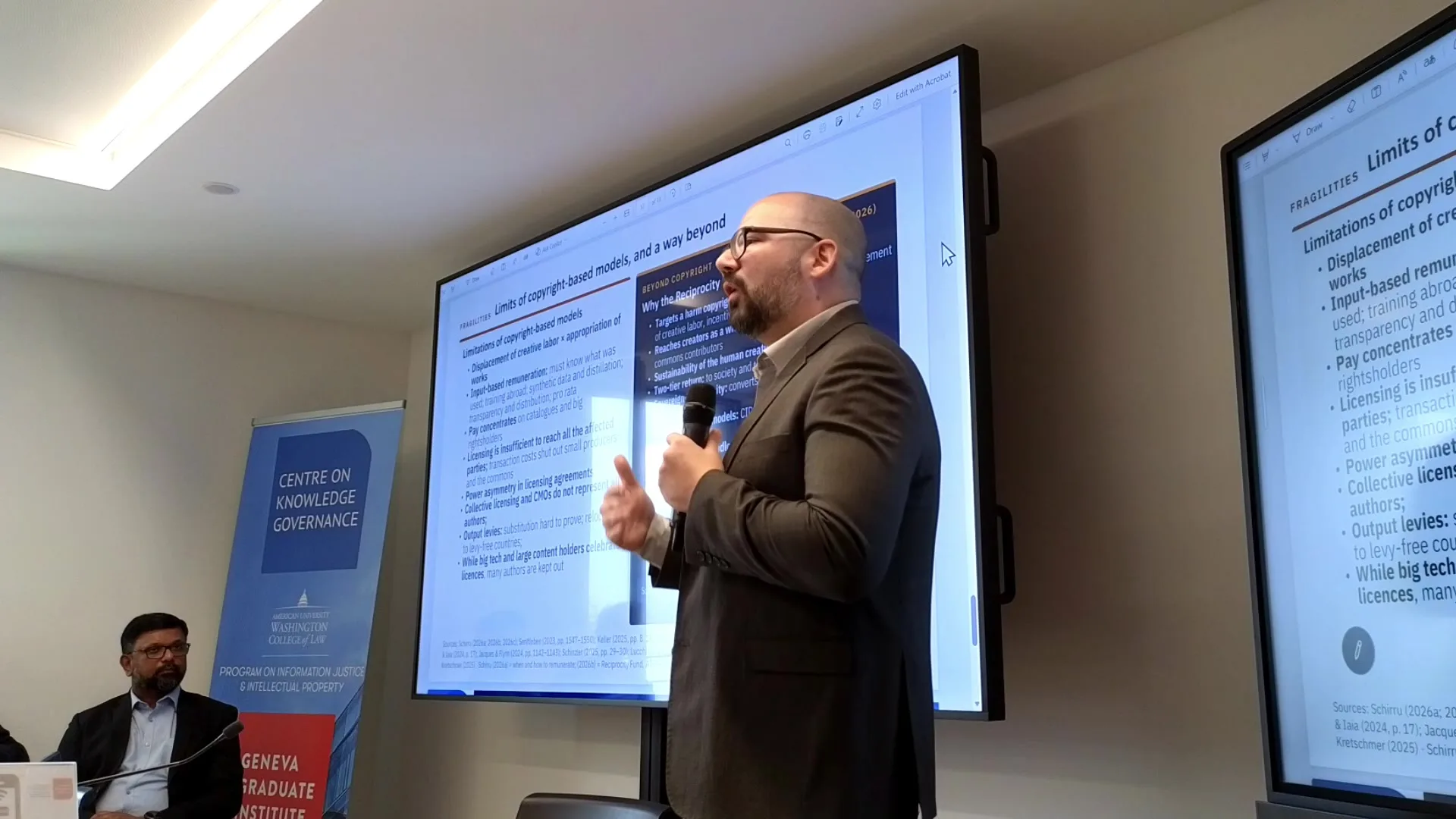
How countries are proposing to make sure creators are paid when their works are used to train commercial AI. Luca Schirru surveyed national proposals; Arul George Scaria presented India’s working paper “One Nation One Licence One Payment”, with its statutory licence for AI training; Allan Rocha de Souza presented the proposal in Brazil; and Luca Cominassi set out proposals in the European Union, including the European Parliament’s report on copyright and generative AI and Spain’s draft decree on extended collective licences.
The discussion weighed these against wider ideas for paying creators and sustaining the information ecosystem: statutory remuneration rights, AI royalty funds, consent and compensation models, and remuneration designed to respect human rights, including the right to research.
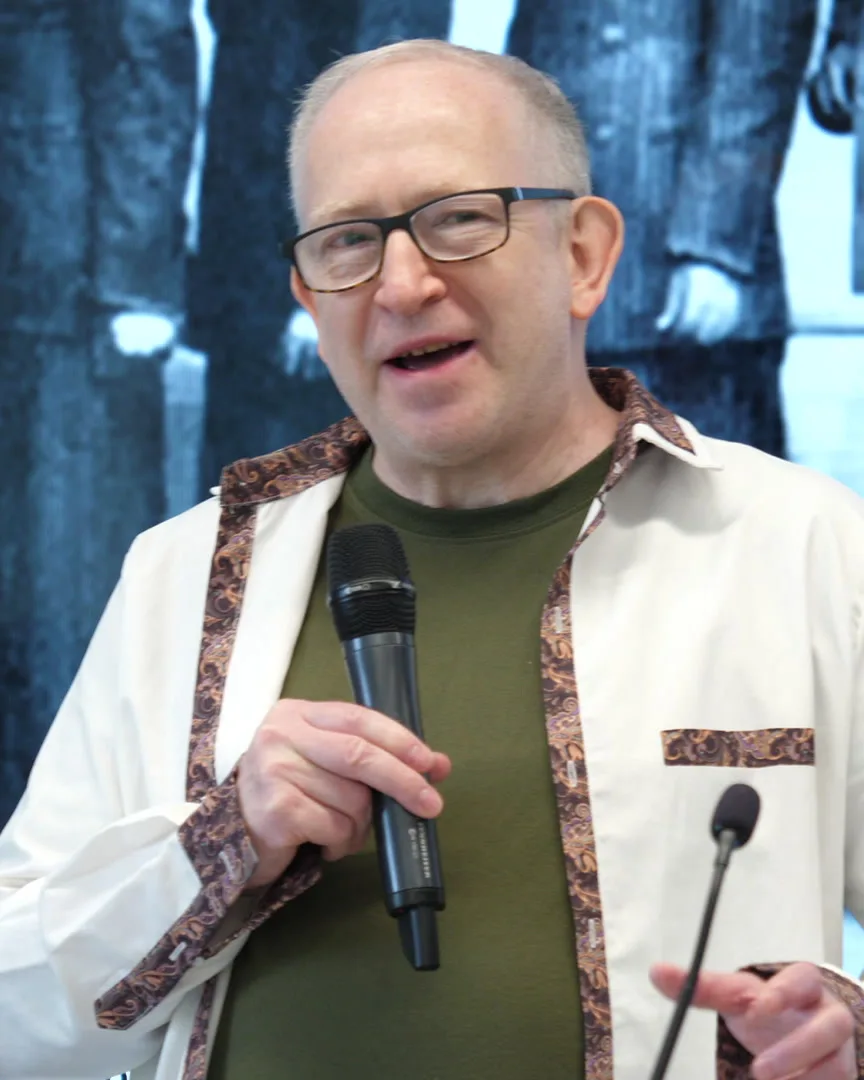 Ben CashdanOverview of Remuneration
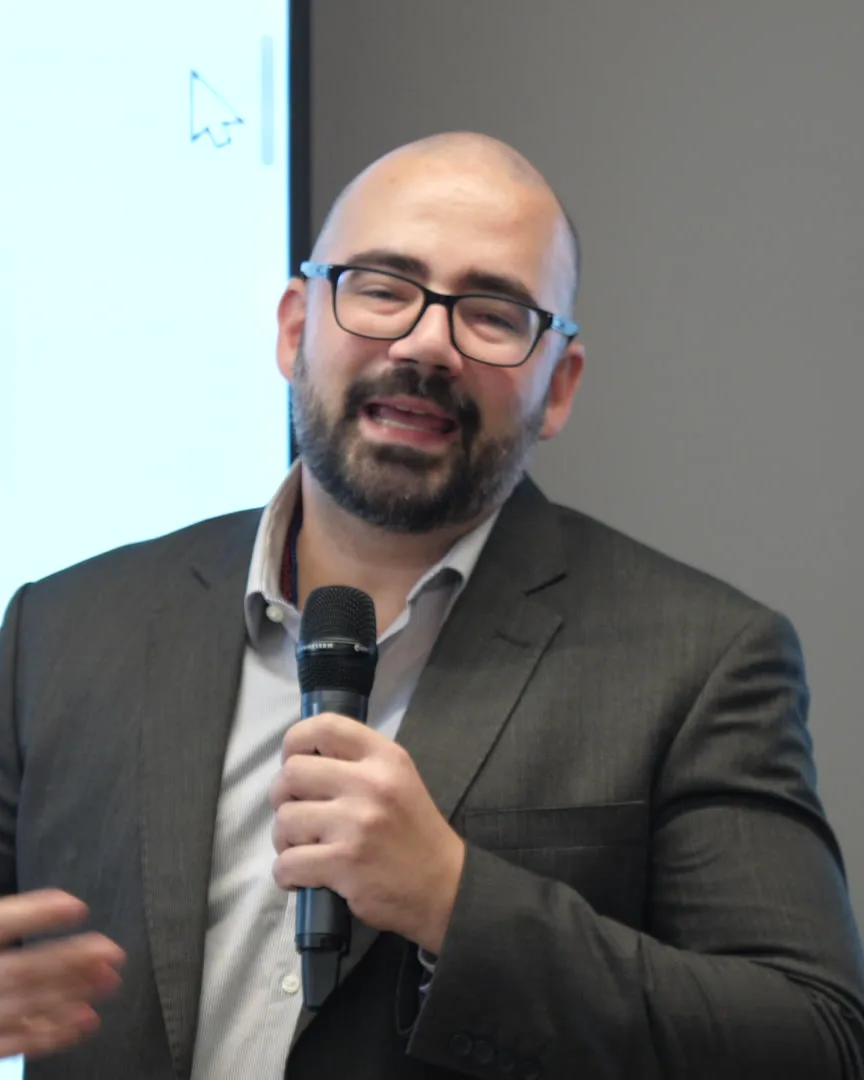 Luca SchirruSurvey of national proposals
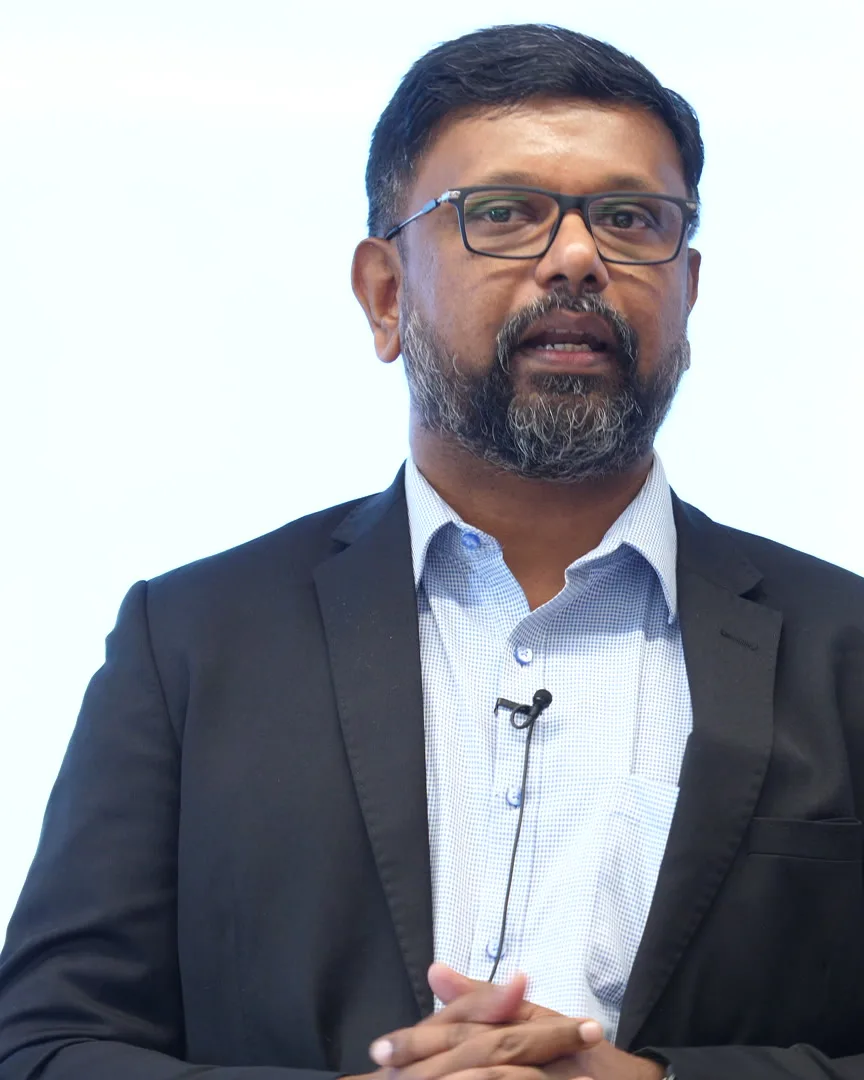 Arul George ScariaIndia’s statutory licence proposal
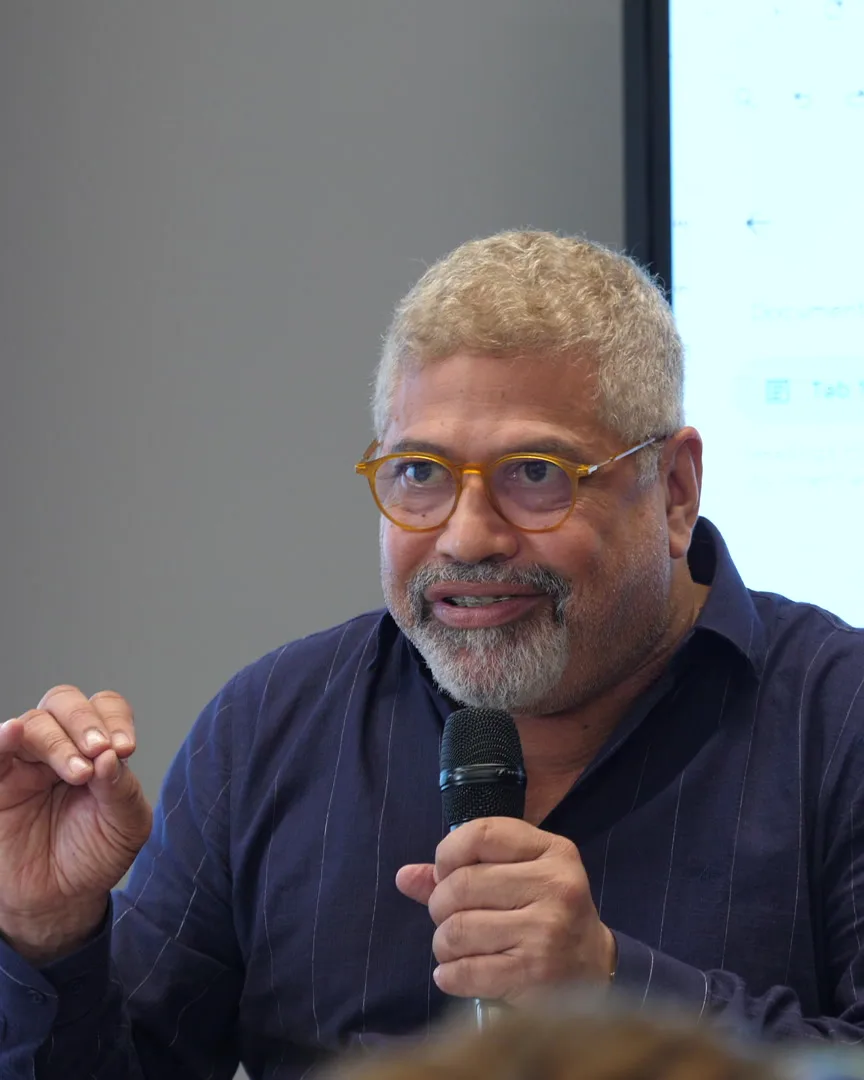 Allan Rocha de SouzaBrazil’s proposal
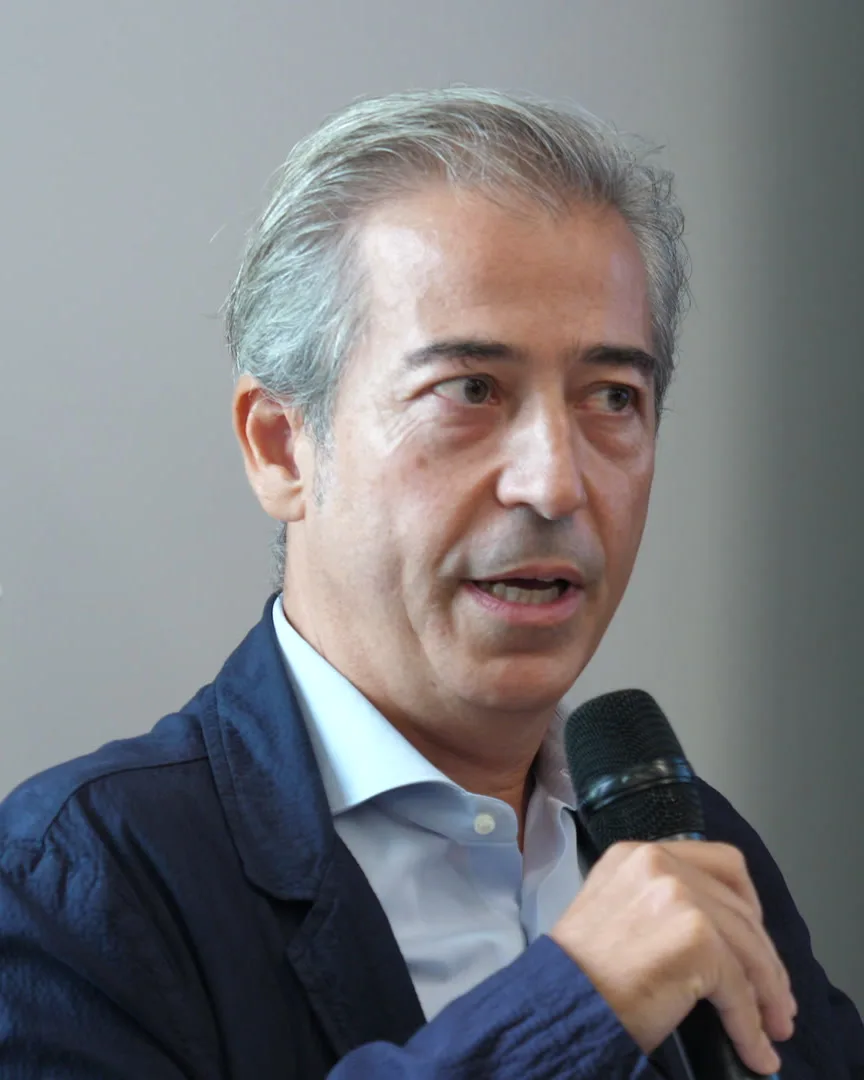 Luca CominassiEU proposals
Questions for the session
- How are different countries proposing to add remuneration requirements for the training of commercial AI?
Copyrightability of outputs
Who, if anyone, owns what an AI tool produces? Carys Craig surveyed the approaches to authorship and ownership of AI outputs, including the US decision in Thaler v. Perlmutter, the US Copyright Office’s report on copyrightability, and the challenge in Canada’s Federal Court to a registration naming an AI system as joint author.
Arul George Scaria compared two Indian cases with the US: the registration of the AI-assisted painting “Suryast” (RAGHAV), and the 2026 decision on DABUS’s “A Recent Entrance to Paradise”. The session also considered how creators themselves use AI, and whether copyright should treat works differently depending on how much AI went into making them.
- Sean FlynnOverview of Copyrightability of Outputs
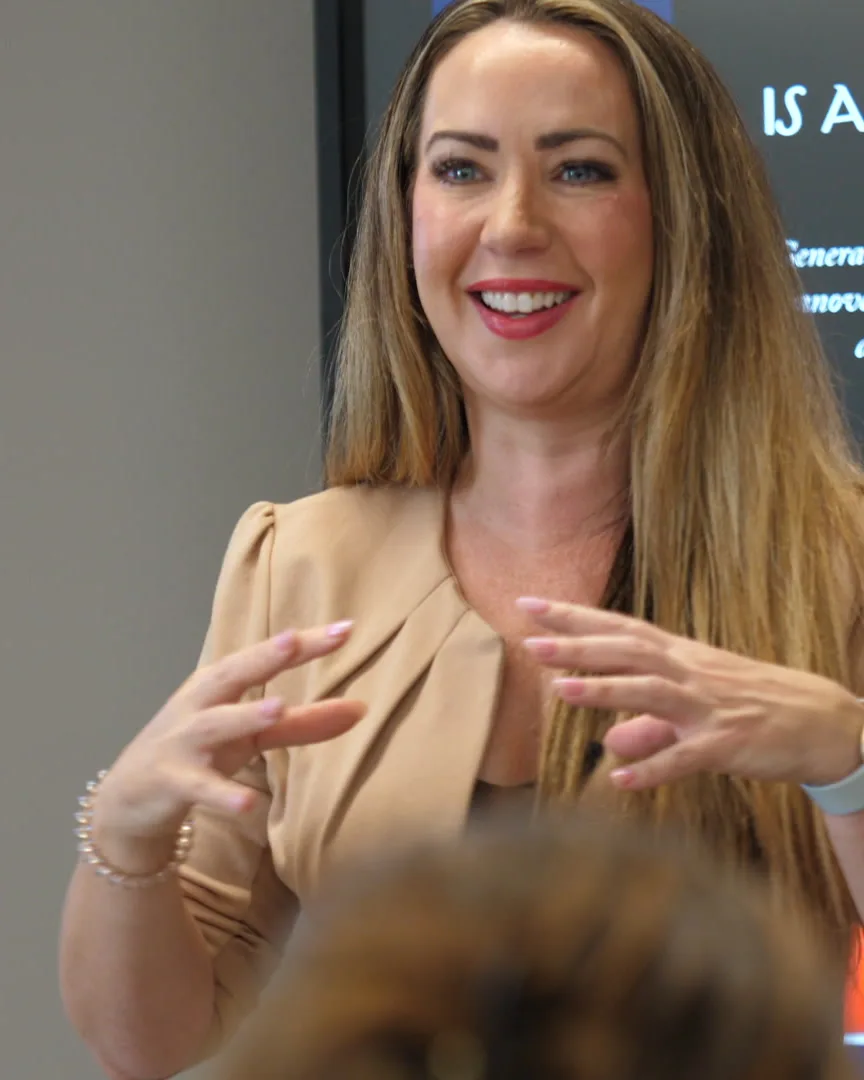 Carys CraigSurvey of approaches
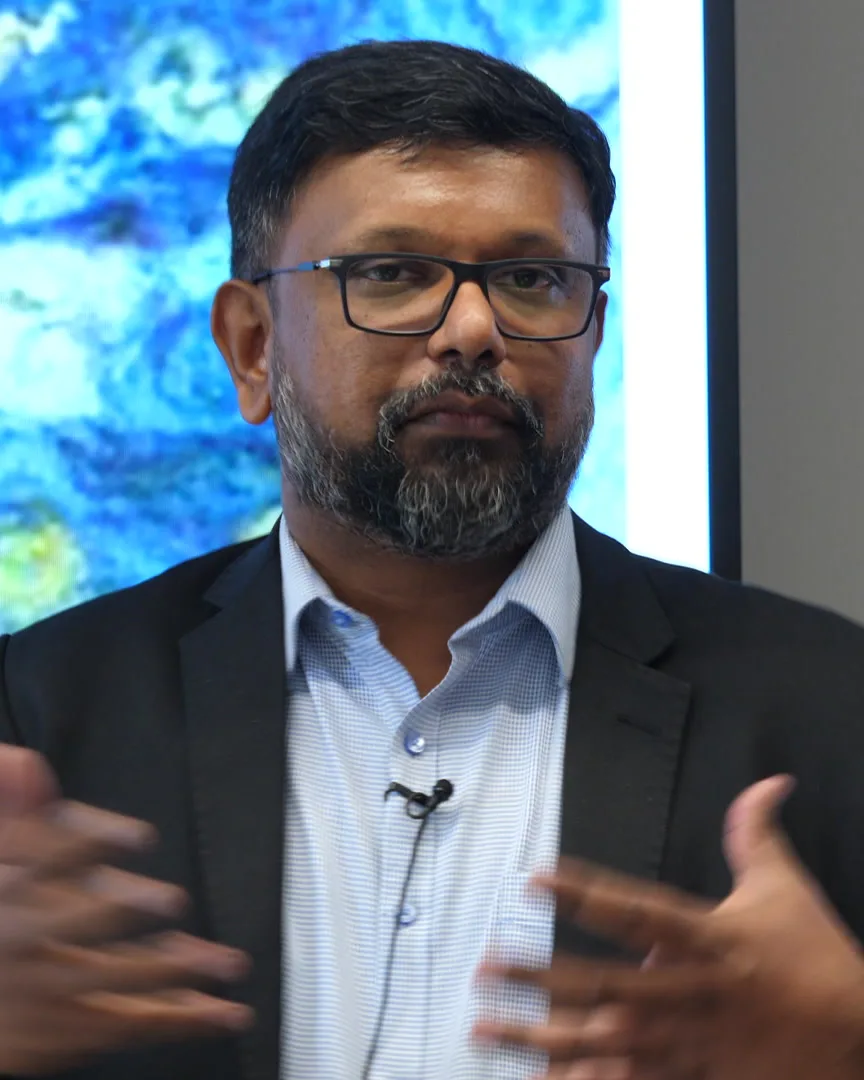 Arul George ScariaRAGHAV (‘Suryast’) and DABUS (‘A Recent Entrance to Paradise’)
Questions for the session
- Who, if anyone, owns the outputs of AI tools?
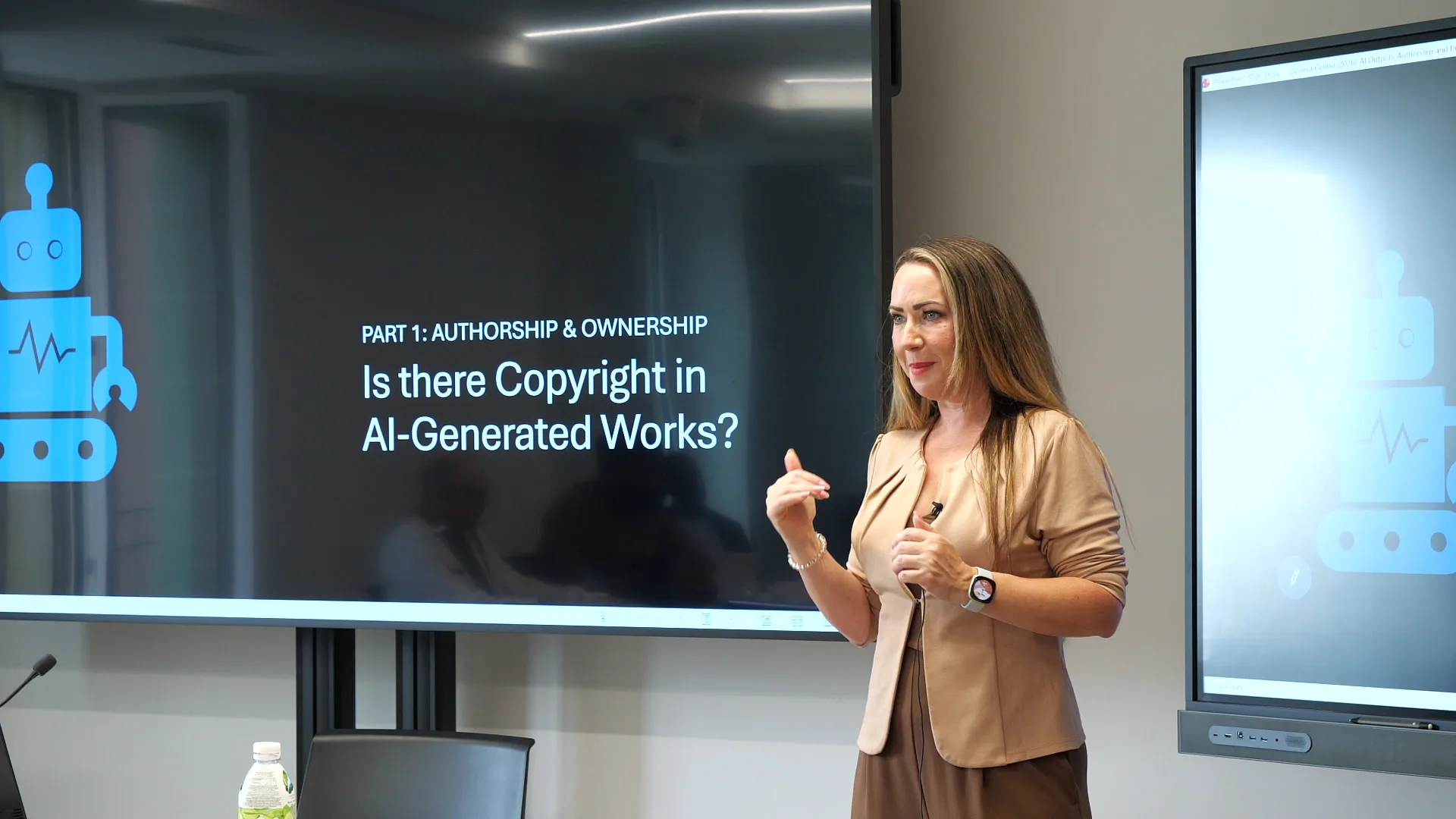
Copyright liability of outputs
When does an output of an AI tool infringe copyright? Jonathan Band reviewed developments and analysis in the United States. Carys Craig set out comparative approaches, including the Munich Regional Court’s ruling in GEMA v. OpenAI, which held an AI developer directly liable for memorising song lyrics, and the debates on memorisation, on similarity and access, and on copyright safety for generative AI.
Allan Rocha de Souza turned to images and likenesses: how the law does, or should, protect against deepfakes and the unauthorised use of the likeness of performers and other people, with examples including Mexico’s new federal crime for AI-generated deepfakes and Denmark’s approach to copyright and deepfakes.
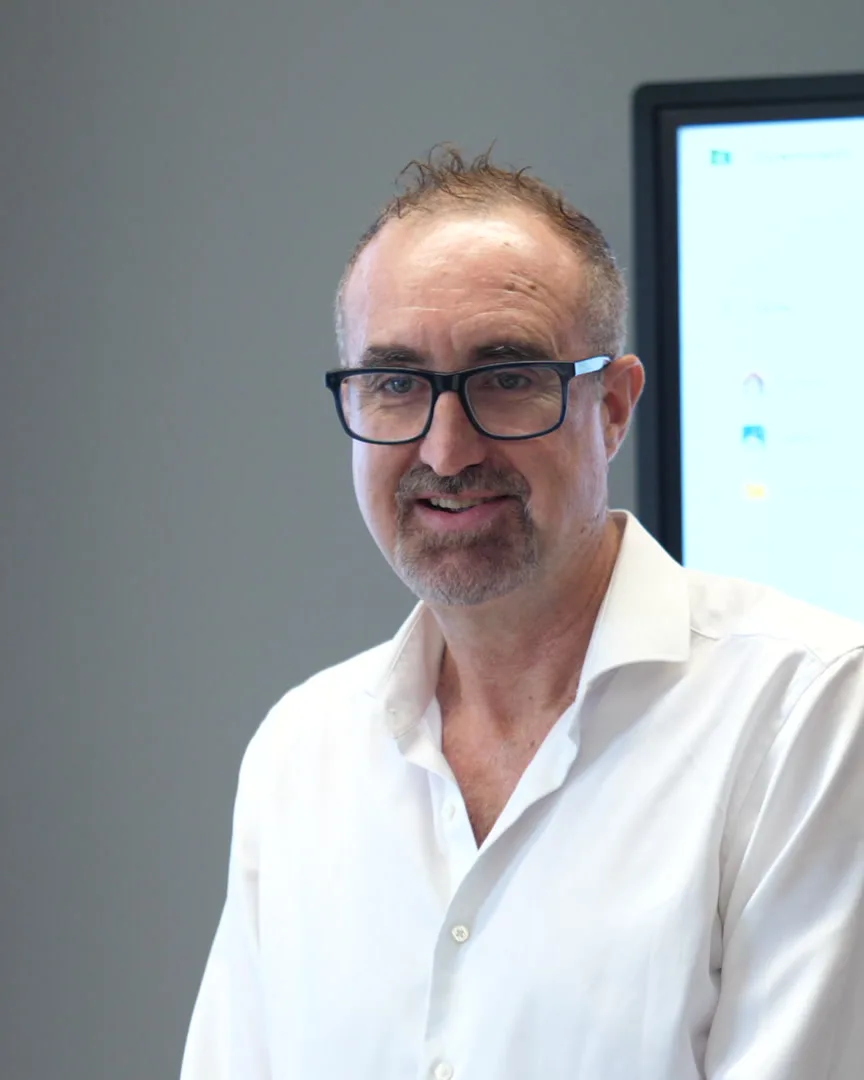 Sean FlynnOverview of Copyright Liability of Outputs
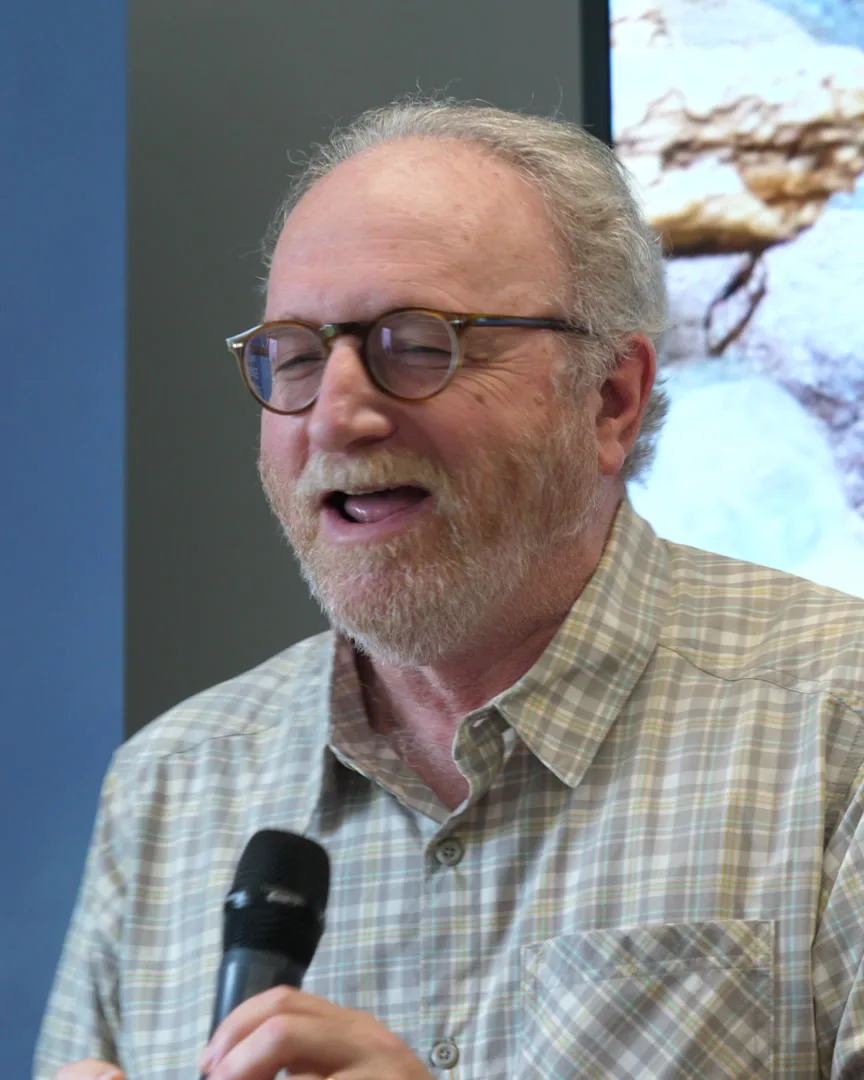 Jonathan BandReview of US developments and analysis
- Carys CraigComparative approaches
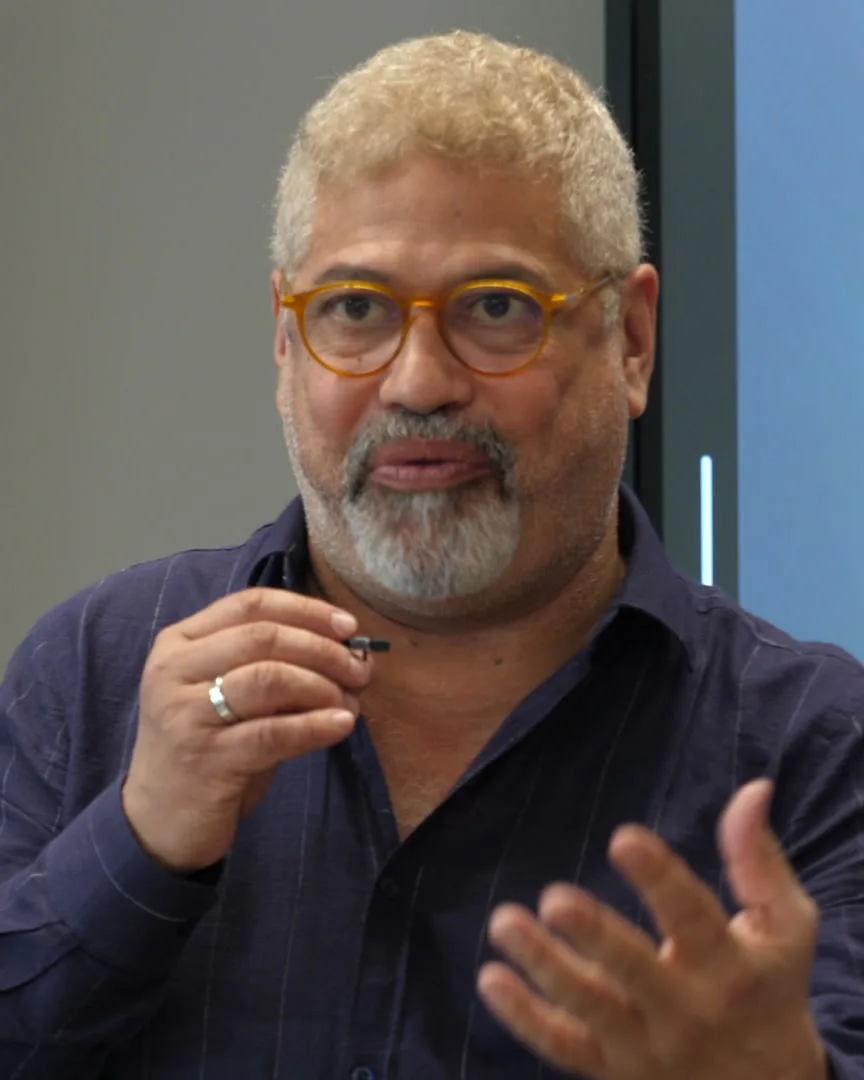 Allan Rocha de SouzaImages and likenesses
Questions for the session
- When does an output of an AI tool violate copyright?
- How do, or should, laws protect against deepfakes and the unauthorised use of the likeness of performers and other people?
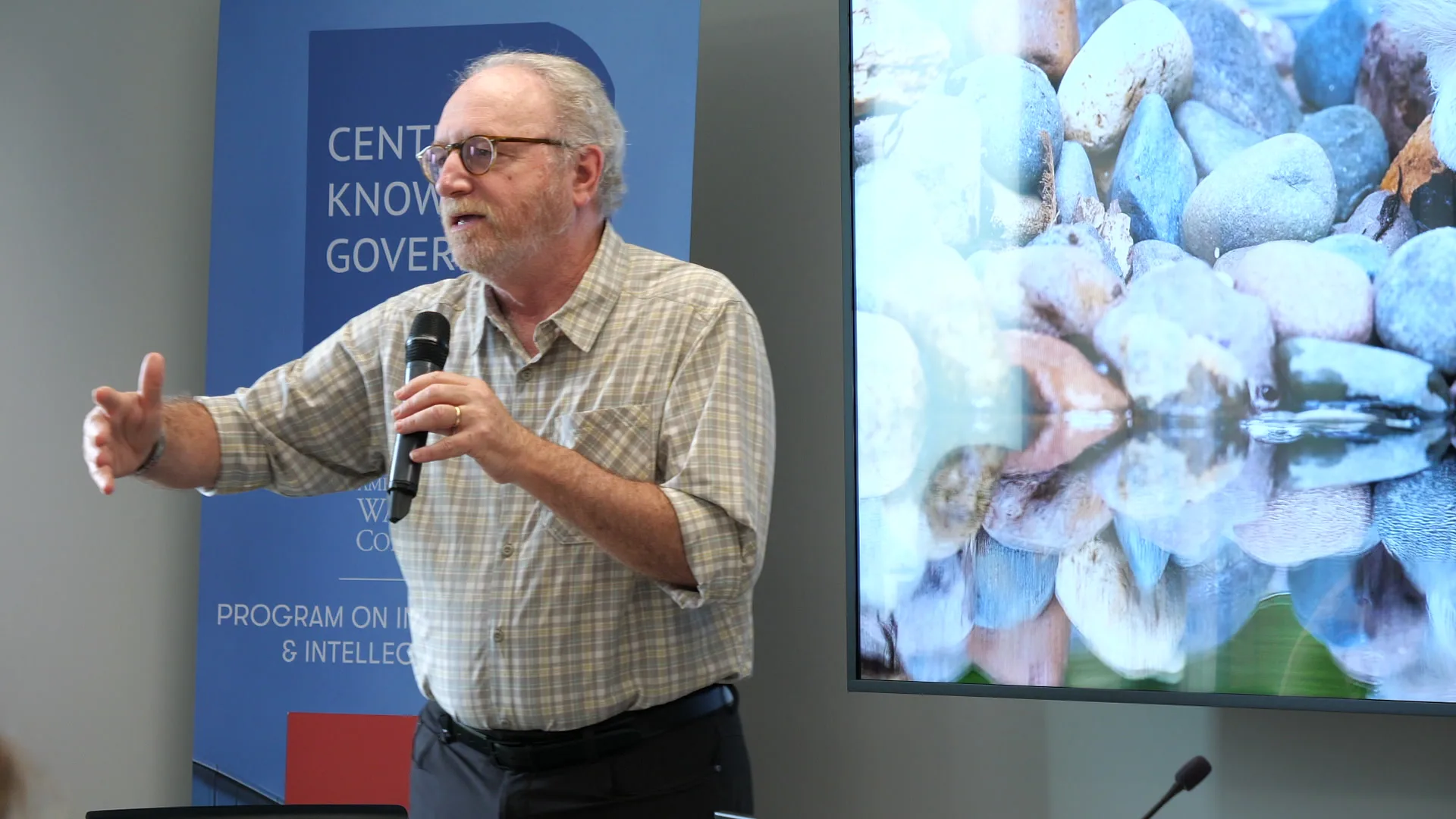
13:30Lunch
AI and Traditional Knowledge
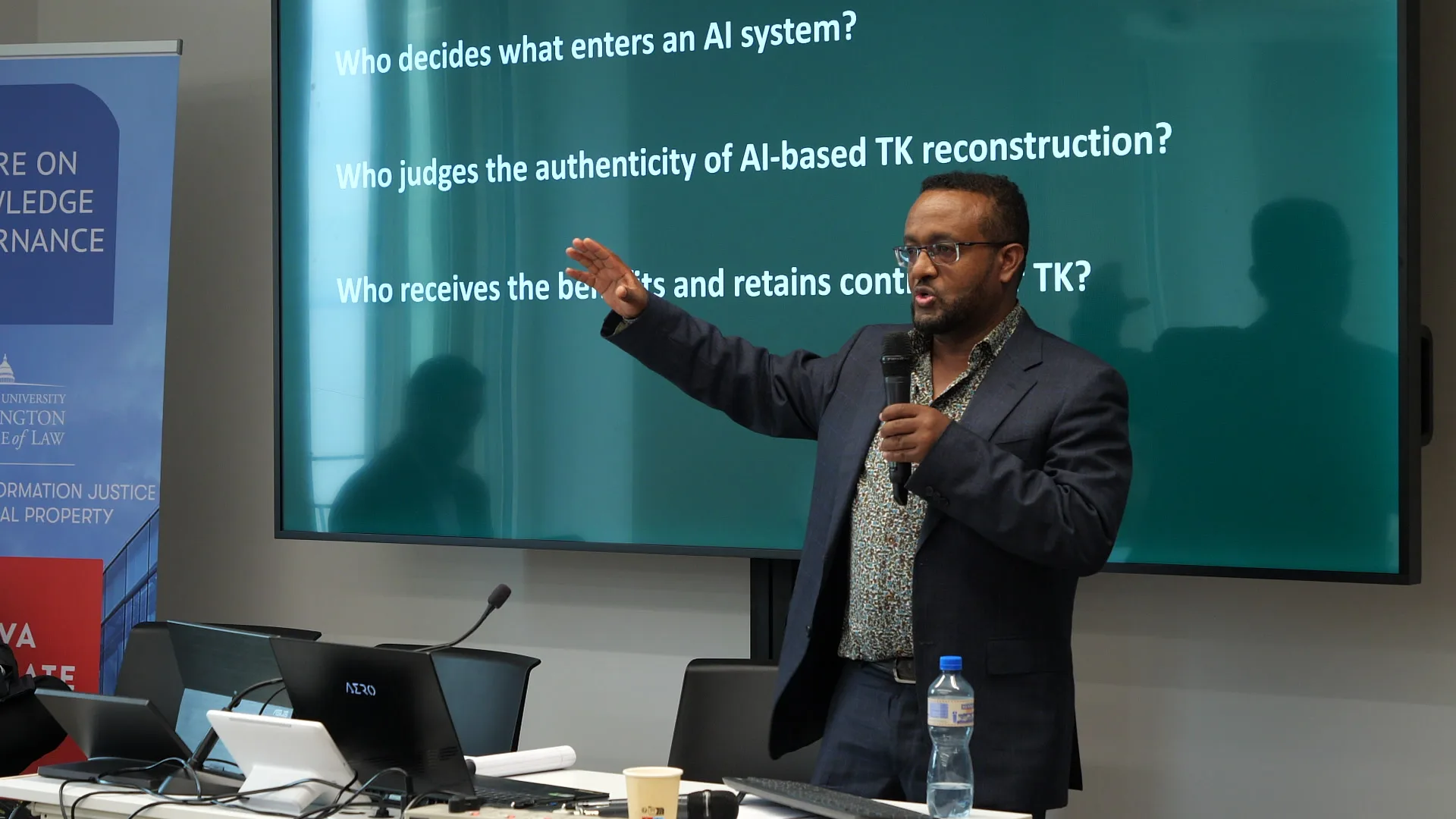
The special considerations that arise when AI tools are trained on elements of traditional knowledge and culture. The panel looked at the appropriation of Indigenous works and practices by generative AI, including African musical works; First Nations perspectives on AI research; Indigenous data sovereignty and reciprocal frameworks for knowledge justice; and the dilemma of authenticity when AI is used to “restore” traditional knowledge.
Speakers asked who decides what enters an AI system, who can judge the authenticity of AI-based reconstructions, and who receives the benefits and keeps control of traditional knowledge.
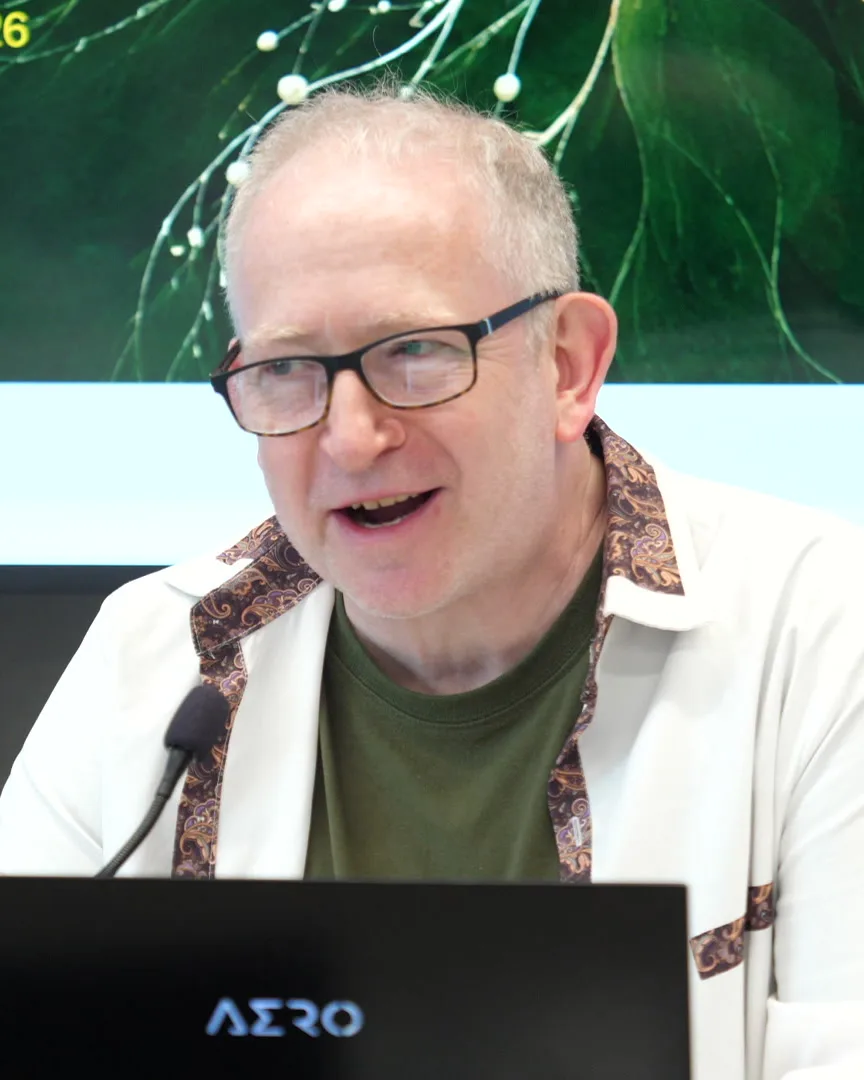 Ben CashdanOverview of AI and Traditional Knowledge
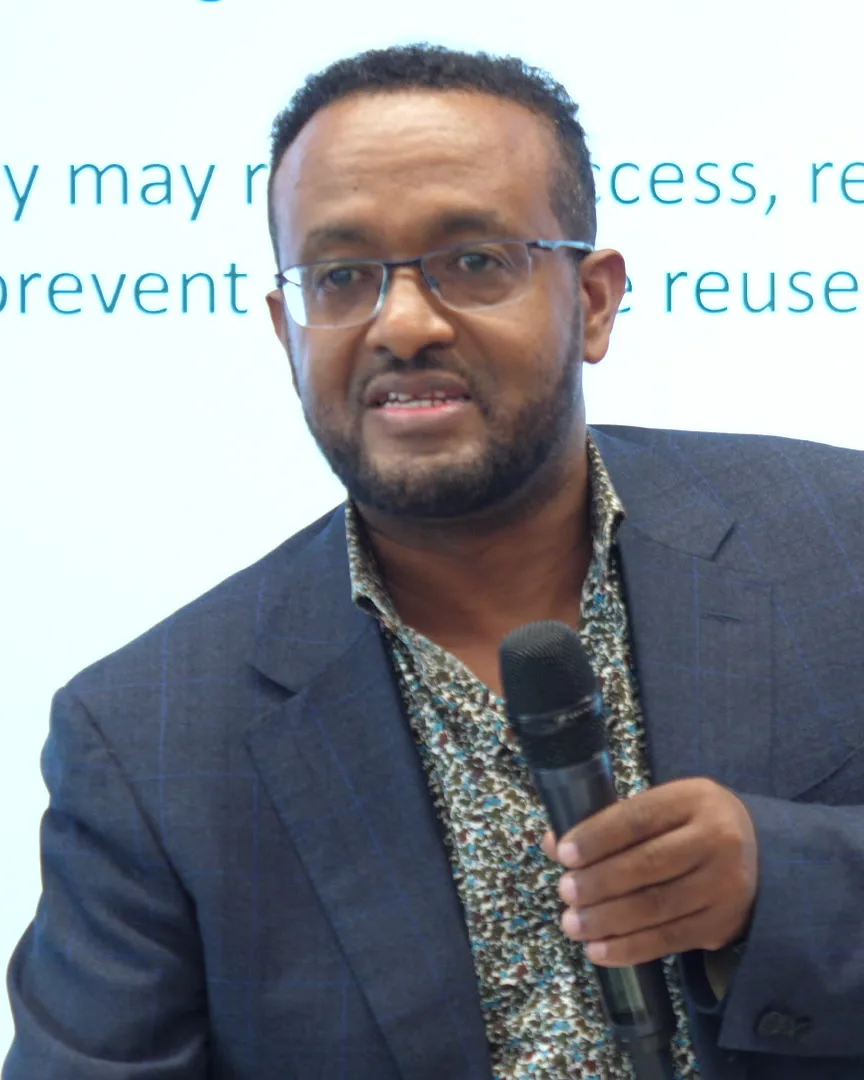 Teshager DagneTraditional knowledge in the AI lifecycle
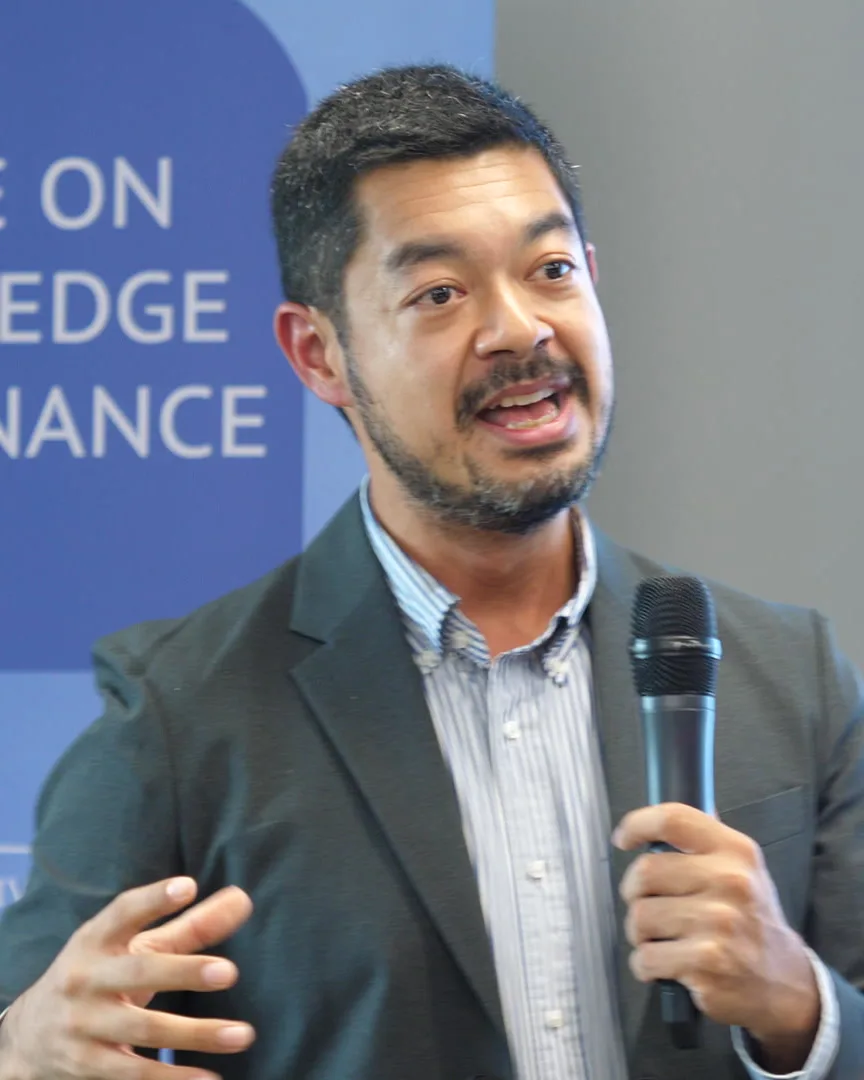 Vitor IdoIndigenous-language AI in Brazil
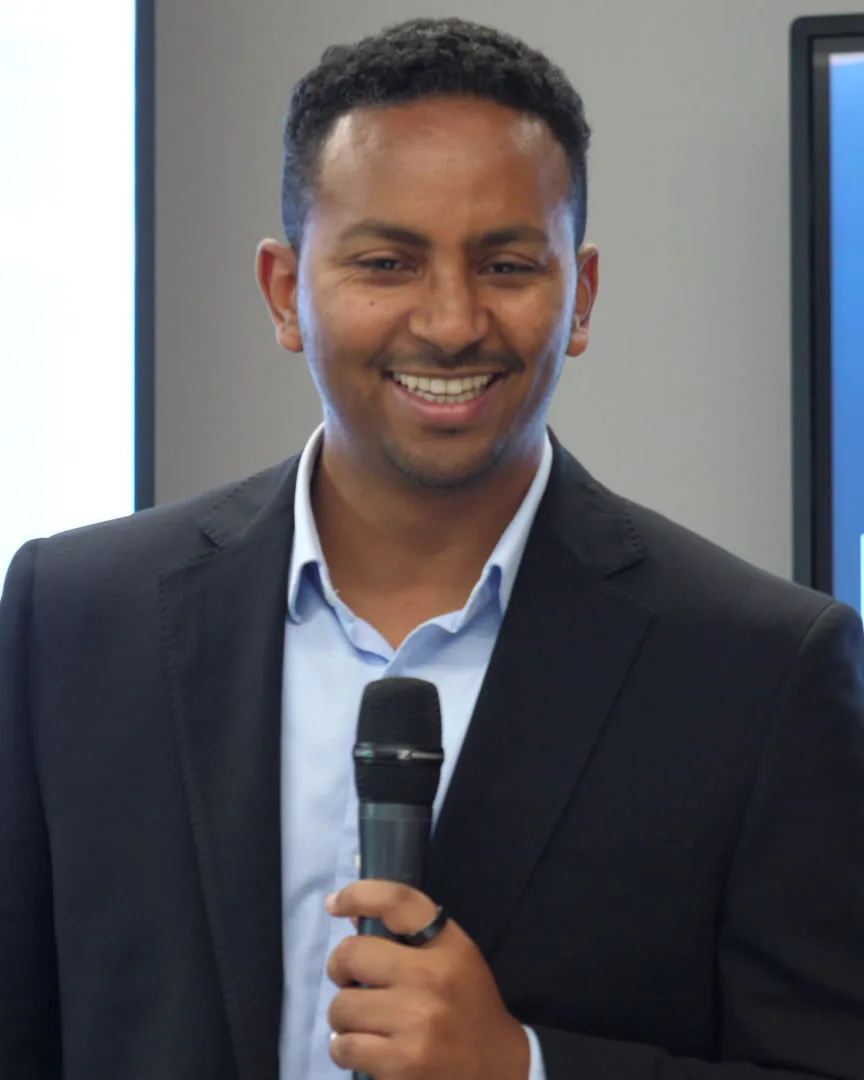 Aman GebruAI and TK: the central tension and options
Questions for the session
- What special considerations apply when AI tools are trained with elements of traditional knowledge and culture?
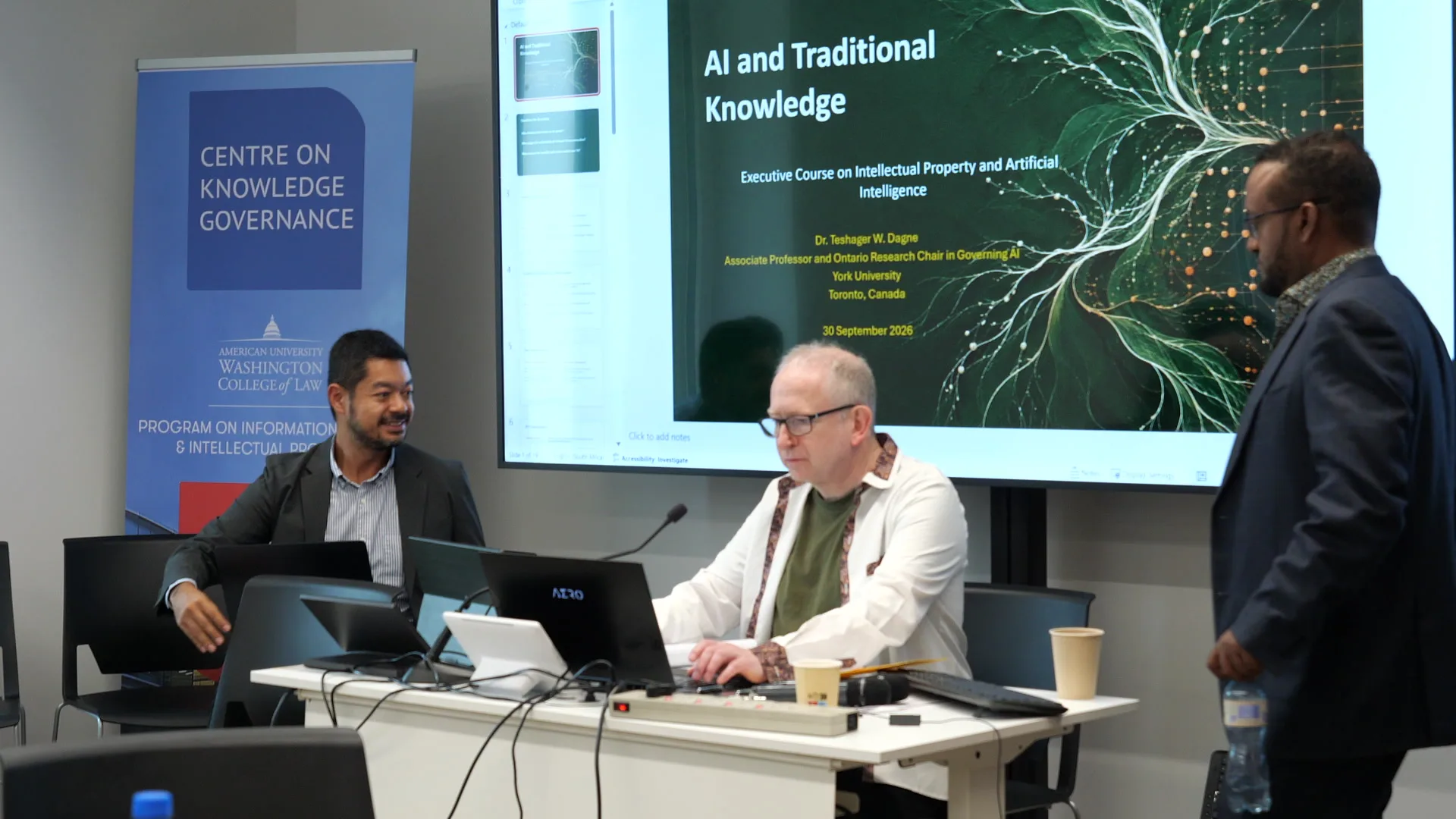
Exercise: negotiation simulation
The course ended with a negotiation simulation. Teams negotiated a model international legal instrument on fair remuneration for creators that also safeguards researchers and public interest organisations building AI infrastructure and systems.
- Sean FlynnIntroduction to the negotiation simulation
Group report back
Each team reported back on its negotiated text and the choices it had made.
18:00Closing
18:30Reception with copyright and AI academics
The faculty
Jonathan BandCounsel, Centre on Knowledge Governance
About
Jonathan Band is an attorney in Washington DC specialising in intellectual property policy. He served as an adjunct professor at the Georgetown University Law Center for over 20 years, and is a senior policy fellow with the Program on Information Justice and Intellectual Property at the American University Washington College of Law.
Ben CashdanDirector of Communications, Centre on Knowledge Governance
About
Ben Cashdan is an economist and television producer in South Africa. He was an economic advisor in the South African Presidency under President Nelson Mandela, focusing on capacity building and local economic development. Since 2000 he has been executive producer of a number of television series on democracy and development for global broadcasters. In 2015 he co-founded ReCreate South Africa, a coalition of creators and users of copyrighted material working together for fair and balanced copyright reform and access to knowledge.
Luca CominassiPublic AI Fellow, Metagov
About
Luca Cominassi is an attorney-at-law specialising in emerging technologies and a Public AI Fellow at Metagov. He co-founded Ultrafab, an Internet of Things startup powered by AI, and Parti Collective, a network practising knowledge sharing and systemic thinking for a radically just and regenerative society. He holds a Master’s degree in IT Law and Legal Informatics from the University of Bologna (CIRSFID) and a law degree from the University of Parma.
Carys CraigProfessor, Osgoode Hall Law School
About
Carys Craig is a Professor of Law at Osgoode Hall Law School, York University, in Toronto. She is Academic Director of the Osgoode Professional Development LLM Program in Intellectual Property Law and Director of IP Osgoode, and recently served as Osgoode’s Associate Dean (Research & Institutional Relations).
Teshager DagneAssociate Professor and Ontario Research Chair in Governing Artificial Intelligence, York University
About
Teshager Dagne is an Associate Professor and Ontario Research Chair in Governing Artificial Intelligence at York University, and a member of its graduate programmes in public policy, administration and law, in law at Osgoode Hall, and in science and technology studies. He has previously taught at Thompson Rivers University and at the Schulich School of Law at Dalhousie University, where he earned his doctorate and was a Schulich Research Fellow.
Sean FlynnDirector, Centre on Knowledge Governance
About
Professor Flynn researches and teaches on the intersection of intellectual property, international law, and human rights, and designs and manages research and advocacy projects that promote the public interest in intellectual property and information law. He chairs the Global Expert Network on Copyright User Rights, is a founding member of the Global Congress on Intellectual Property and the Public Interest, and is Editor in Chief of Infojustice.org. He holds a special faculty appointment at American University Washington College of Law, and is a visiting scholar at the University of Amsterdam’s Institute for Information Law (IViR) and Senior Research Associate at the University of Cape Town’s Intellectual Property Unit.
Aman GebruGeorge Butler Research Professor, University of Houston
About
Professor Aman Gebru examines issues at the intersection of intellectual property, innovation, branding and creative expression, including frameworks for communal authorship, cultural appropriation and truthfulness in trademarks. His work appears in the Arizona State Law Journal, American University Law Review, University of Richmond Law Review, Denver Law Review and Cardozo Arts and Entertainment Law Journal, among others.
Vitor IdoAssistant Professor, Universidade de São Paulo
About
Vitor Ido has been Assistant Professor in the Department of Commercial Law at the University of São Paulo Faculty of Law since 2024. He holds a PhD, an LLM and an LLB from the same institution, and a BA in Social Sciences. He is part of the coordination team of the Triangular International Partnership Programme in Higher Education (PITES), run with the universities of Lyon and Saint-Étienne.
Susan Isiko ŠtrbaCounsel and Senior Fellow, Centre on Knowledge Governance
About
Dr Susan Isiko Štrba is Counsel and Senior Research Fellow at the Centre on Knowledge Governance. She provides legal and technical assistance to African Member States in negotiations, especially on intellectual property, and tailored research on knowledge governance with a special focus on Africa. She combines teaching and research with policy and legislative advice and technical training for governments, intergovernmental organisations and civil society.
Allan Rocha de SouzaProfessor, Universidade Federal do Rio de Janeiro
About
Allan Rocha de Souza is President and Scientific Director of the Brazilian Copyright Institute (IBDAutoral) and a researcher in the Global Expert Network on Copyright User Rights (Right to Research project). He teaches on the law programme at ITR/UFRRJ, the specialisation programme in intellectual property at PUC-Rio, and the Master’s and PhD programme in Public Policies, Strategies and Development (PPED/IE/UFRJ). He is also an attorney and legal consultant.
Arul George ScariaProfessor, National Law School of India University
About
Arul George Scaria is Professor of Law and Co-Director of the Centre for IP Research and Advocacy at the National Law School of India University, Bengaluru, and affiliate faculty of Harvard Law School’s CopyrightX programme. He studied at the International Max Planck Research School for Competition and Innovation and did post-doctoral research at the Catholic University of Louvain. He was the first academic appointed as an Independent Expert by the IP Division of the Delhi High Court, and was a court-appointed amicus curiae in ANI v. OpenAI, India’s first generative AI copyright case.
Luca SchirruResearch Director, Centre on Knowledge Governance
About
Luca Schirru is Research Director at the Geneva Centre on Knowledge Governance, Governance and Regulation Specialist at the SAVITS project (IBICT), Research Fellow at the Centre for IT & IP Law (CiTiP, KU Leuven) and Academic Coordinator of the Global Expert Network on Copyright User Rights. A lawyer and legal consultant in intellectual property, he teaches at several Brazilian universities.
Tobias SchonwetterAssociate Professor, University of Cape Town
About
Dr Tobias Schonwetter is an Associate Professor at the University of Cape Town, where he directs the IP Unit and the iNtaka Centre for Law & Technology. He specialises in intellectual property and cyberlaw, particularly the relationship between IP, innovation and development. He advises government entities in South Africa, sits on NACI’s AI Strategy team, and has co-led many research projects, including Open AIR.
Courses in 2027
Applications for the 2026 course are closed. Leave your details and we will tell you first about our executive courses in 2027.