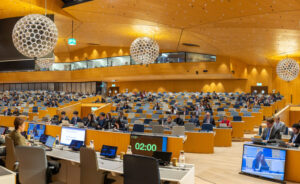
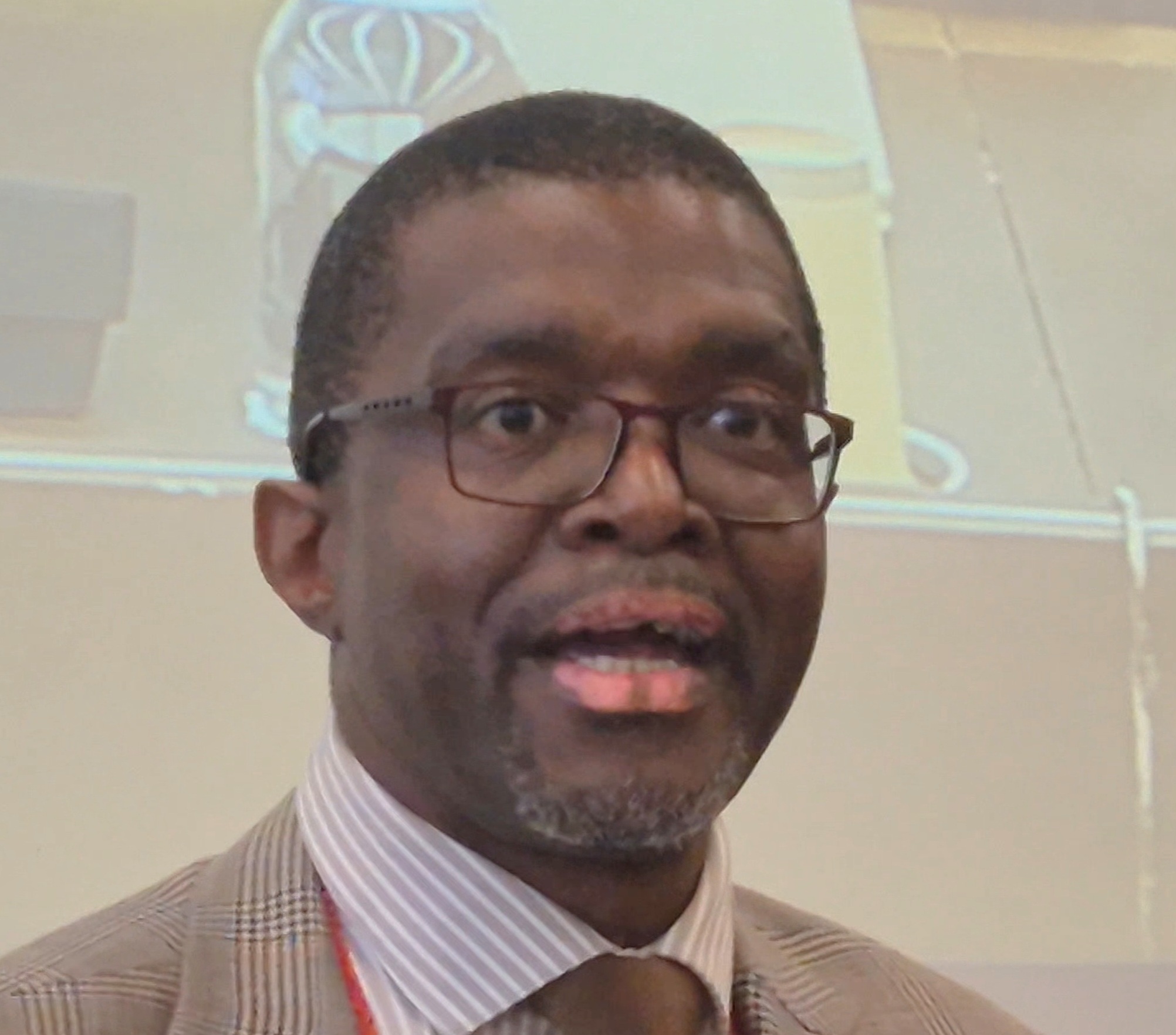

Opening Remarks to the Access to Knowledge Side Event at the World Intellectual Property Organization SCCR 48 delivered on 21 May 2026 by Ambassador Mzukisi Qobo, Coordinator of the African Group on WIPO
Theme: How global copyright rules can better serve people, creativity, and development
Allow me to express my gratitude to the members of the Access to Knowledge Coalition of education and research organizations for extending this invitation to me.
The rights of libraries, educators, and researchers to access and use copyrighted materials have long been an integral part of copyright policy in every country.
Copyright has always embodied a balance: rewarding creativity while ensuring that societies can access, preserve, and build upon knowledge.
The history of balanced copyright
From the Statute of Anne to the Berne Convention, copyright systems historically recognised that public access to knowledge was central to the legitimacy of intellectual property protection. The Statute of Anne, the first copyright law, mandated the deposit of copies of copyrighted books into the Royal Library and the eight leading university libraries for researchers and learners to use freely. That Act also contained a duty of fair pricing, demonstrating that promoting access to affordable books was one of its central public policy concerns.
The very first version of the Berne Convention in 1886 contained one permissive exception, namely, for the use of excerpts in educational and research publications. Germany insisted on that clause, refusing to agree to the final text until it was added.
Prices and incentives
With the globalization of copyright and other intellectual property rules, concerns about access and affordability of knowledge persist. Numerous studies have shown that prices for intellectual property-protected goods, from vaccines and medicines to books, can often be higher in poorer countries than in richer ones.
It is therefore important that we continue to find a balance between the need to incentivise creators and innovators, and legitimate public interest considerations.
I was a professor in my previous life. Academics, especially in the Global South, know the experience of publishing articles that we cannot assign to our students because our academic libraries cannot afford them. There are strict page-number and licensing restrictions that effectively limit how much knowledge students can access.
Limitations and exceptions in this environment, therefore, cannot be an afterthought. Rather, they are integral to achieving the balance between the interests of creators and the broader public interest that copyright is ultimately meant to serve.
And yet we find, in study after study, that developing countries often have the least permissive systems of public interest exceptions.
Copyright exceptions in Africa
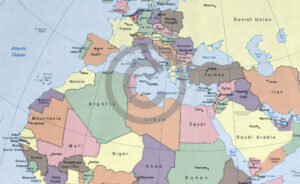
A study prepared by Kenneth Crews for the WIPO SCCR found that, out of 53 African countries surveyed, 23 had no specific exception for libraries and none permitted cross-border lending. The challenge of access to knowledge extends beyond persons with visual impairments. Across much of the developing world, students, researchers, and libraries face their own form of knowledge scarcity.
The digital era has brought great opportunities. But many laws in Africa effectively restrict the kind of digitization needed to preserve and share the limited holdings of our libraries and archives. When a fire at the University of Cape Town, my alma mater, destroyed a rare African film collection a few years back, it was gone forever. The evidence suggests that the African Studies Film Collection, roughly 3,500 archival films, was among the largest Africa-focused film archives globally and was largely destroyed in the fire.
In the wake of the fire, the librarian explained, they could not digitize the collection under the laws we have. Think about that for a moment.
Artificial Intelligence in Africa
These challenges become even more significant in the AI era, where access to data and research materials increasingly shapes innovation capacity itself. We have many AI developers in Africa, most working in the public sector and developing tools intended for public benefit. Yet they often struggle to access the datasets and texts needed to train their systems because copyright frameworks remain overly restrictive.
One reason why many countries in the Global South have highly restrictive copyright laws is that the international system, until the Marrakesh Treaty, was devoted mainly to harmonizing protections of exclusive rights.
As a result, countries that update their laws only where international treaties explicitly require or authorize change can end up with copyright systems that are heavily weighted toward exclusivity, with insufficient attention to public interest considerations.
The importance of an international instrument
When African countries seek to expand public interest provisions to levels comparable to those found in the United States or the European Union, they are often met with claims that such measures undermine international intellectual property norms. That is precisely why greater clarity in the international system regarding these flexibilities is so important.
So the African Group, and indeed the broader coalition of developing countries formerly organized as the Friends of Development, have consistently argued that this body must guide and clarify not only the expansion of exclusivity, but also the expansion of inclusivity.
The African Group proposal has expressed flexibility regarding the form that such an instrument could take, and we have provided specific detail on the subjects that should be included. We hope that all countries will join us in supporting meaningful progress on this important agenda item.
I thank my colleagues for having me here today and I look forward to learning more about the potential impact of this important work.
—
Mzukisi Qobo is South Africa’s Ambassador and Permanent Representative to the World Trade Organisation