Traditional Knowledge
Knowledge governance for traditional knowledge, genetic resources, Indigenous data and traditional cultural expressions, based on equity, inclusivity and balance.
Programme on Traditional Knowledge
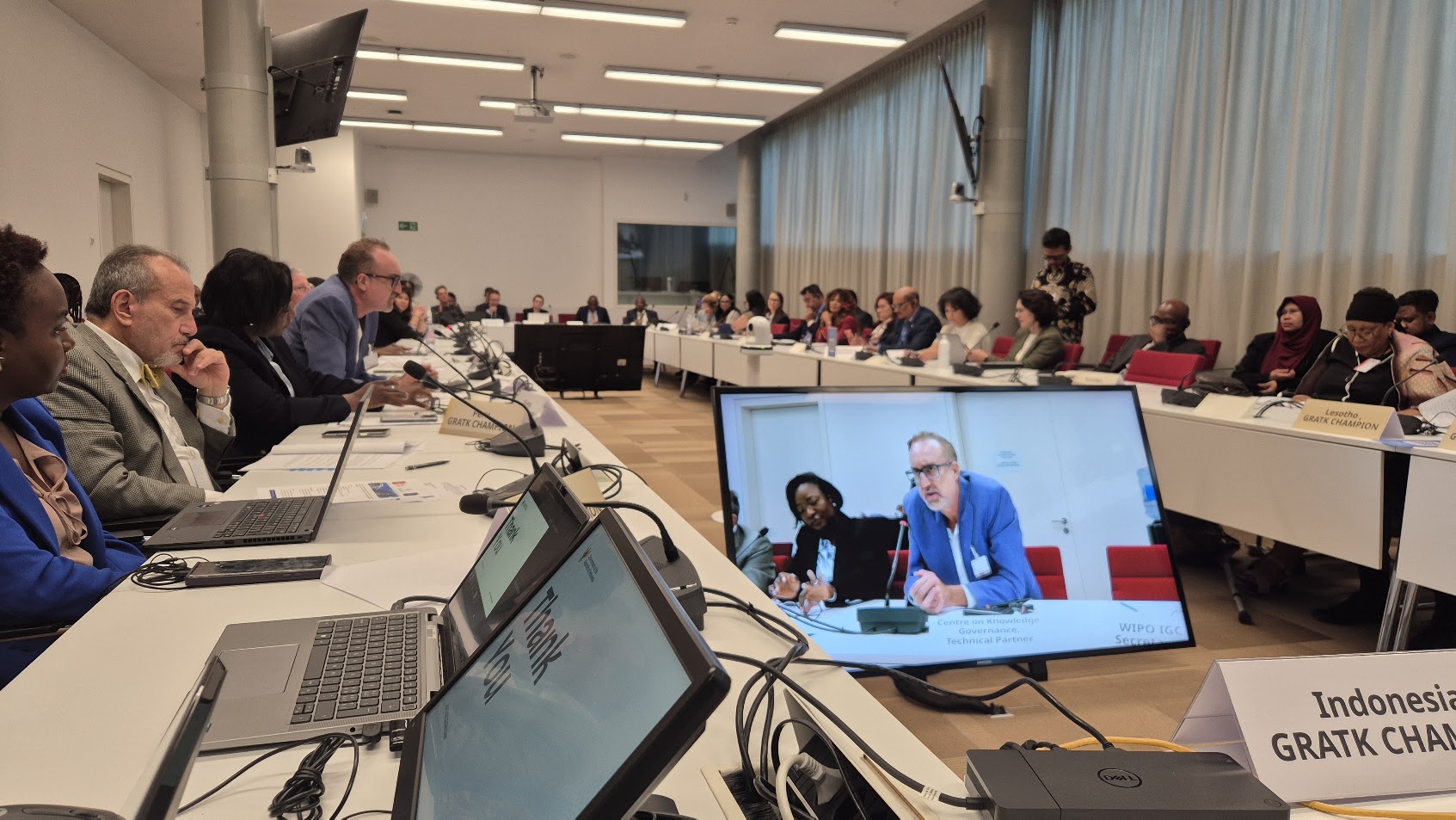
Traditional knowledge (TK), genetic resources, Indigenous data and traditional cultural expressions raise significant questions for knowledge governance frameworks based on equity, inclusivity and balance.
International negotiations have been underway at WIPO for many years, a first outcome of which is the 2024 WIPO Treaty on Intellectual Property, Genetic Resources and Associated Traditional Knowledge.
In parallel, initiatives are underway to develop ‘soft law’ guidelines, best practices and practical measures.
New technologies such as AI, and the extraction and use of data, bring fresh complexity and renewed urgency to these issues.
Our mission and activities
Drawing from its global network of top thinkers, strategists and facilitators who have extensive experience in policy institutions, civil society, the private sector and academia, the CKG’s Programme on Traditional Knowledge offers technical expertise, diplomatic skills, institutional access, neutrality and balance.
What this Programme does
- Convenes dialogues, conversations and consultations;
- Provides legal-technical information, consultancy services, options papers and strategic advice;
- Where appropriate, makes technical inputs to and engages in strategic advocacy related to international, regional and national policy processes;
- Conducts research and analysis, issues publications and undertakes teaching and training;
- Hosts an online authoritative resource centre of key materials.
Who this Programme is for
- Diplomats and capital-based Government officials, regulators, policymakers and legislators;
- Chairs, rapporteurs and facilitators of intergovernmental negotiations;
- Representatives of Indigenous Peoples and local communities, companies and civil society organisations;
- Students, scholars, teachers and trainers.
Contact us
Please reach out to us through our contact page.
The CKG’s support for certain activities may be contingent upon adequate funding.
Publications on traditional knowledge
Loading our latest posts on traditional knowledge…
Earlier work: the Cradle Principles

The Cradle Principles on Knowledge Governance were developed by copyright academics, stakeholders and computational researchers at a policy retreat in the Cradle of Humankind, South Africa, in February 2024. They call for balance in knowledge governance: enabling African and other Global South uses of digital research tools while guarding against ‘data colonialism’, including wrongful uses of traditional knowledge and community-held information, and promoting the rights and interests of Indigenous Peoples and local communities in the knowledge economy.
The Principles were released at the 50th session of the WIPO IGC in March 2025. See also Asking the TK question as a reality check and Knowledge Governance and Just AI: Cradle Report (2026).