

The adoption of the WIPO Development Agenda (DA) at the 34th session of the WIPO General Assembly in Geneva in 2007 marked a turning point in the organization’s approach to intellectual property and development. The Agenda introduced 45 recommendations designed to ensure that development considerations are integrated into intellectual property (IP) policymaking and implementation. At the same session, Member States established the Committee on Development and Intellectual Property (CDIP) to oversee the Agenda’s implementation, monitor and assess progress, coordinate with other WIPO bodies, and serve as a forum for discussions on the relationship between IP and development.
Nearly two decades later, the CDIP convened its 36th session from 4 to 8 May 2026. Against this backdrop, the Committee’s latest discussions offer an opportunity to take stock of the Development Agenda’s achievements and challenges. Drawing on debates held during the session and related sources, this blog examines how the Agenda has been implemented to date, explores competing interpretations of the concept of “development” within WIPO, and analyzes proposals to mark the Development Agenda’s twentieth anniversary, including new approaches to monitoring and reporting on its implementation.
Implementing the Development Agenda
Deputy Director General Hasan Kleib presented the 16th Director General’s Report on the Implementation of the WIPO Development Agenda contained in document CDIP/36/2, following which the Chair invited comments from delegations.
The African Group underscored the importance of ensuring that the benefits of intellectual property are balanced with equitable access to knowledge, technology transfer, and capacity building, particularly for developing countries and least developed countries (LDCs). In this regard, the Group called for greater attention to the effective use of IP flexibilities, given their role in fostering innovation and advancing socio-economic development. Similar concerns were raised by several delegations, including Brazil, India, and Iran.
A substantial portion of the discussions focused on the project proposed by the United Kingdom entitled “Revised Project on the Development of Strategies and Tools to Address Cross-Border Trade in Counterfeit Trademark Goods – Project Proposal Submitted by the United Kingdom and Co-Sponsored by Lesotho, Republic of Moldova, Saudi Arabia, and Thailand.” (CDIP/36/16)
Brazil observed that, despite references to Recommendations 10, 11, and 45 of the Development Agenda,1 the proposal shifted the Committee’s focus away from the structural and systemic challenges identified by developing countries toward an enforcement-oriented agenda that does not reflect the development rationale of the CDIP. Several delegations stressed that enforcement-related initiatives must explicitly reaffirm that IP flexibilities are essential components of a balanced approach, as mandated by Article 7 of the TRIPS Agreement2 and reflected in the WIPO Development Agenda.
India recalled that the 2010 General Assembly decision establishing the coordination mechanism requires all relevant WIPO bodies to report on their implementation of Development Agenda recommendations, but noted that this obligation has largely been overlooked. India joined several delegations in expressing readiness to explore ways of revitalizing this accountability mechanism.
Several delegations expressed appreciation for the importance accorded to the implementation of the Development Agenda during the first term of Director General Daren Tang, noting that this focus was reflected in the broad support he received from developing countries during his recent re-election.
The African Group acknowledged the progress reflected in the Director General’s report and encouraged WIPO to intensify its efforts, particularly in the areas of technical assistance and capacity building, access to knowledge and technology transfer, protection of traditional knowledge (TK) and traditional cultural expressions (TCEs), and the promotion of South-South and triangular cooperation.
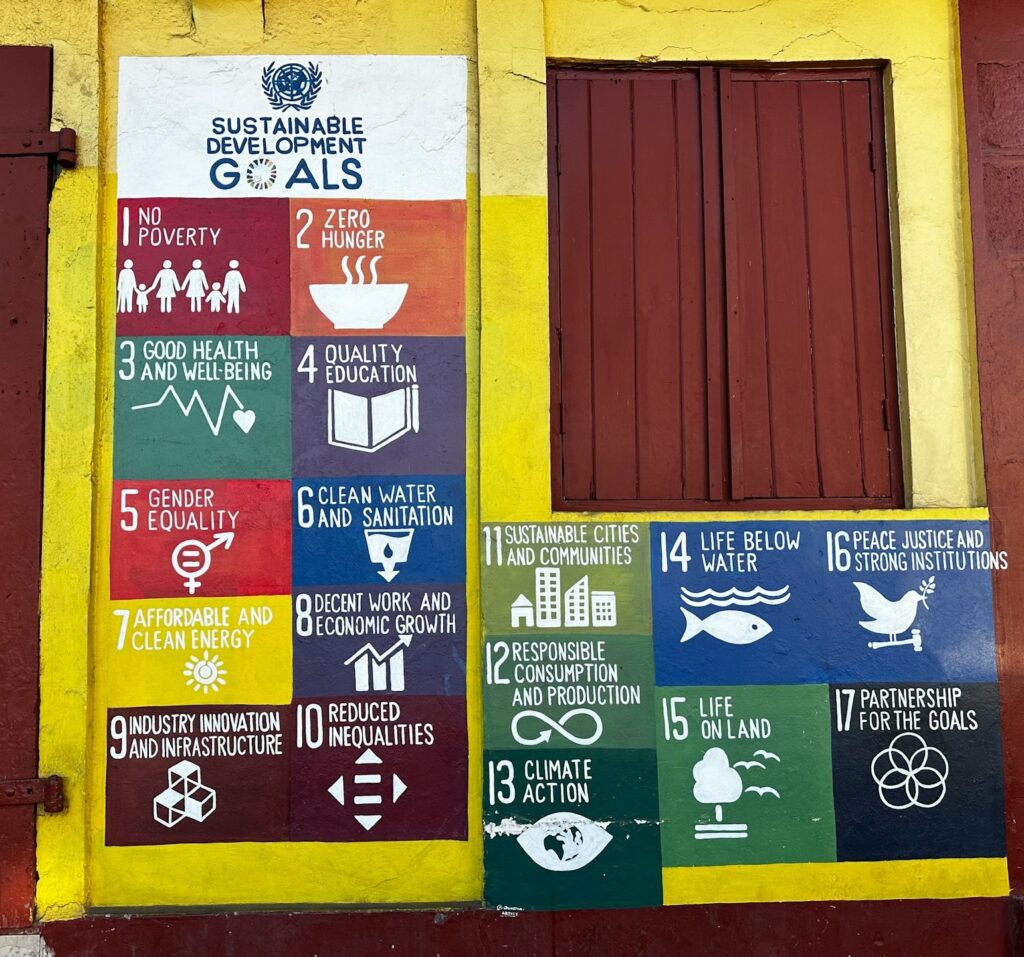
The delegation of Brazil expressed its firm expectation that, during Director General Daren Tang’s second term, the Development Agenda would be further strengthened as a fundamental pillar of the Organization’s activities, fully aligned with the 2030 Agenda and the Sustainable Development Goals (SDGs). Brazil encouraged WIPO to deepen its contribution to the implementation of the SDGs, particularly those related to reducing inequalities and promoting inclusive economic growth. It further advocated for greater integration between norm-setting activities, technical cooperation, and capacity building, and urged particular attention to improving impact-measurement tools aligned with the development priorities of Member States, especially developing countries.
Several delegations called on WIPO to move beyond activity-based reporting towards a more impact-oriented approach capable of demonstrating how WIPO’s substantive interventions contribute to national development priorities. The African Group emphasized that the forthcoming 20th anniversary of the Development Agenda presents an important opportunity for meaningful reflection on the achievements made since its adoption. Accordingly, the Group proposed that future Director General reports should: (a) place greater emphasis on the tangible and measurable impact of development-related activities on the ground, including their contribution to national capacity building, local innovation, technology transfer, and the use of IP as a tool for economic and social development; and (b) move beyond descriptive accounts of activities to include clear and practical recommendations for improving both the implementation of the Development Agenda recommendations and their ownership by Member States.
Brazil similarly called for WIPO to adopt a more qualitative approach to reporting on Development Agenda implementation by: (a) evaluating results rather than merely listing activities; (b) measuring socio-economic effects, including changes in national capacities, institutional strengthening, local innovation ecosystems, participation of women and marginalized groups, and the use of IP as a tool for inclusive and sustainable development; and (c) conducting a systemic assessment of how WIPO’s interventions support Member States in exercising policy space and using IP flexibilities in line with the Development Agenda recommendations. According to Brazil, the objective is to distinguish between activities that genuinely strengthen development outcomes and those that merely reinforce IP protection without adequate consideration of innovation promotion and technology transfer in a manner conducive to social and economic welfare, as envisaged under Article 7 of the TRIPS Agreement. These views were shared by several delegations, including India, Iran, and the African Group.
Consideration of the Work Program for the Implementation of Adopted Recommendations
Considerable debate also surrounded the United Kingdom’s proposal contained in document CDIP/36/16.3 The United Kingdom maintained that IP enforcement can contribute significantly to development objectives, although discussions on the proposal were deferred to a future session.
Germany, speaking on behalf of Group B, argued that the proposal clearly constituted a capacity-building initiative and therefore fell within the competence of the CDIP. The Group of Central European and Baltic States (CEBS) similarly welcomed the proposal as a development-oriented initiative with the potential to generate broad economic and social benefits consistent with the CDIP mandate and the objectives of the Development Agenda. CEBS argued that strengthening strategies to combat cross-border trade in counterfeit trademark goods would help protect legitimate businesses and brands, support local innovation ecosystems, foster fair market conditions, and enhance consumer trust and safety.
The European Union also supported the project, emphasizing that it seeks to strengthen the technical processes, tools, strategies, and capacities of customs authorities and law enforcement agencies in beneficiary countries to improve the detection and interdiction of counterfeit goods at borders. The EU argued that the proliferation of counterfeit and pirated goods constitutes a major obstacle to sustainable development, undermining industries, discouraging investment and innovation, and adversely affecting public health. It noted that trade in counterfeit and pirated goods represents approximately USD 467 billion annually, accounting for around 2.3% of global imports, with the European Union and its Member States directly affected by an estimated USD 117 billion. According to the EU, combating counterfeiting is therefore not merely a domestic issue for developing economies, but rather a phenomenon embedded in global value chains that requires enhanced international cooperation and capacity-building efforts.
The United States emphasized the importance of addressing counterfeit goods at their point of origin before they enter global commerce. It argued that the project would equip customs officials with the technical knowledge and tools necessary to detect and interdict counterfeit goods, strengthen understanding of transnational counterfeit trade networks, and protect local creative industries, national economies, and consumer health and safety.
While developed countries generally viewed the UK proposal as contributing to development objectives, many developing and least developed countries disagreed. They considered the proposal to be primarily enforcement-oriented and therefore inconsistent with the development-centered mandate of the CDIP.
Brazil argued that the proposal shifts the Committee’s focus away from structural and systemic development challenges, such as lack of technology transfer, limited manufacturing capacities, and the need to strengthen local innovation systems. According to Brazil, the proposal lacks a direct and substantive connection to the principles of the WIPO Development Agenda, which call for balance, public-interest safeguards, and development-oriented solutions rather than simply strengthening enforcement activities.
Brazil further expressed concern that the proposed outputs, including case studies, operational guidelines, and customs training programs, failed to explain how these activities would contribute to inclusive development and local value creation. Concerns were also raised that country-specific case studies could result in the attribution of responsibility for IP infringements to developing countries for problems that are global and multifaceted in nature, thereby risking stigmatization of beneficiary countries.
Several delegations, including Brazil, India, Indonesia, and Iran, criticized the proposal for referring exclusively to the commercial-scale aspects of counterfeiting while overlooking important issues such as due process, proportionality, parallel imports, environmental considerations, and the preservation of TRIPS flexibilities. Brazil reiterated that any enforcement-related initiative must explicitly reaffirm that IP flexibilities are essential components of a balanced approach, as mandated by Article 7 of the TRIPS Agreement and reflected in the WIPO Development Agenda.
Brazil also recalled that, during the presentation of the proposal in May 2025, the United Kingdom stated that the project would strengthen IP enforcement for the benefit of trademark owners globally, many of whom are headquartered outside the developing world. Brazil argued that activities primarily aimed at strengthening enforcement for major global brand owners do not fall within the development-oriented mandate of the CDIP.
Indonesia, while recognizing that cross-border trade in counterfeit goods poses serious challenges to consumers, public safety, local industries, and economic welfare, stressed that the project must maintain a genuine balance between enforcement objectives and broader development priorities.
India emphasized that IP enforcement is governed by the principle of territoriality and expressed concern that the proposal could lead toward harmonization of enforcement tools without sufficient regard for the distinct legal traditions, socio-economic realities, and developmental stages of Member States. India further argued that capacity-building initiatives must remain intrinsically linked to the preservation of TRIPS flexibilities, particularly Articles 7, 8, and 61.4
Similarly, Iran acknowledged that cross-border counterfeit trade is a genuine challenge, but maintained that the key issue before the Committee was whether the UK proposal, as designed, serves the mandate of the CDIP and the priorities of developing countries. Iran stressed that the CDIP exists to ensure that intellectual property serves development and should not evolve into a general IP enforcement capacity-building body.
Independent External Review of WIPO Technical Assistance: Another View of Development
The WIPO Secretariat also presented its report on the status of recommendations arising from the independent external review of WIPO’s technical assistance, contained in document CDIP/34/8. While some Member States welcomed the report, others objected to several recommendations, particularly those encouraging WIPO to adopt a more development-oriented approach to IP.
For example, Recommendation 12 proposed that WIPO foster the implementation of development solutions linked to the SDGs, including through initiatives such as WIPO GREEN. The United States expressed strong opposition to recommendations that, in its view, would expand WIPO’s mandate beyond its core mission of promoting intellectual property protection.
According to the United States, WIPO is not a development agency but a specialized agency with a specific mandate to promote IP protection worldwide. It therefore opposed recommendations that would transform WIPO into what it described as a “UN development bureaucracy” or prioritize the SDGs at the expense of WIPO’s core IP mission.
Future Work: A Call to Take Stock
The Development Agenda will mark its 20th anniversary in 2027, presenting an important opportunity to assess the extent to which development concerns have been integrated into WIPO’s work. According to several Member States, the transformative ambitions of the Development Agenda have yet to be fully realized.
The delegation of Iran lamented that, although nearly two decades have passed since the adoption of the Development Agenda, its transformative potential remains largely unrealized. While some progress has been made, Iran argued that assessments contained in the Director General’s report, the independent external review, and the findings of independent analysts demonstrate that the Development Agenda has not yet fundamentally transformed the relationship between IP and development.
Similar concerns were expressed by several developing countries and civil society organizations. While acknowledging the numerous activities undertaken by WIPO under the Development Agenda, they repeatedly stressed that the Director General’s reports do not adequately demonstrate the long-term impact of those activities in recipient countries, particularly after technical assistance programs conclude.
Against this backdrop, the African Group proposed that future reports move beyond descriptive accounts of activities and instead include clear, practical, and action-oriented recommendations aimed at improving implementation of the Development Agenda recommendations and strengthening Member State ownership.
The Group further requested that future reports assess the measurable developmental impact of WIPO’s activities, including their contribution to national capacity building, local innovation, technology transfer, and the use of intellectual property as a tool for economic and social development. It also urged the Secretariat to identify gaps in implementation and propose meaningful solutions aligned with the needs and priorities of developing countries.
Brazil proposed convening a high-level international conference to commemorate the 20th anniversary of the Development Agenda. According to Brazil, such a conference would provide an opportunity for comprehensive stock-taking, enabling Member States to reflect on achievements, identify persistent challenges, and chart a future course in light of emerging digital technologies, particularly artificial intelligence.
These views were echoed by several delegations. Indonesia, for example, strongly supported a shift toward a more impact-oriented and results-based approach to Development Agenda implementation. It emphasized that the numerous activities undertaken under the Development Agenda should translate into measurable development outcomes, particularly at the national level, and called for the development of clear, practical, and context-sensitive indicators.
Conclusion
Nearly two decades after the adoption of the WIPO Development Agenda, the debates within the CDIP continue to reveal fundamentally different understandings of the relationship between intellectual property and development. While developed countries generally emphasize IP protection and enforcement as drivers of economic growth and innovation, many developing countries continue to insist that development requires a balanced approach that preserves policy space, promotes technology transfer, strengthens local innovation ecosystems, and ensures equitable access to knowledge.
The discussions at the 36th session of the CDIP demonstrated that the central question is no longer merely whether the Development Agenda should be implemented, but rather how “development” itself should be understood within WIPO’s institutional framework. The differing reactions to the UK enforcement proposal, the divergent views regarding the role of the SDGs within WIPO’s mandate, and the growing calls for impact-oriented reporting all reflect deeper tensions over the purpose and direction of the Organization’s development work.
As the Development Agenda approaches its 20th anniversary in 2027, many developing countries are calling for a critical reassessment of its achievements and shortcomings. Their proposals for more qualitative and impact-based reporting, stronger accountability mechanisms, and renewed attention to development-oriented IP policies suggest a desire to move beyond symbolic implementation toward measurable developmental outcomes. Whether WIPO will embrace this broader and more transformative vision of development remains one of the central institutional and political questions facing the Organization in the years ahead.
- Recommendation n.10: “10 To assist Member States to develop and improve national intellectual property institutional capacity through further development of infrastructure and other facilities with a view to making national intellectual property institutions more efficient and promote fair balance between intellectual property protection and the public interest. This technical assistance should also be extended to sub-regional and regional organizations dealing with intellectual property.”. Recommendation n. 11: “* 11. To assist Member States to strengthen national capacity for protection of domestic creations, innovations and inventions and to support development of national scientific and technological infrastructure, where appropriate, in accordance with WIPO’s mandate.” Recommendation n. 45: “45. To approach intellectual property enforcement in the context of broader societal interests and especially development-oriented concerns, with a view that “the protection and enforcement of intellectual property rights should contribute to the promotion of technological innovation and to the transfer and dissemination of technology, to the mutual advantage of producers and users of technological knowledge and in a manner conducive to social and economic welfare, and to a balance of rights and obligations”, in accordance with Article 7 of the TRIPS Agreement.” ↩︎
- TRIPS Agreement, article 7: “The protection and enforcement of intellectual property rights should contribute to the promotion of technological innovation and to the transfer and dissemination of technology, to the mutual advantage of producers and users of technological knowledge and in a manner conducive to social and economic welfare, and to a balance of rights and obligations.” ↩︎
- For a commentary on the original version of the proposal, see Sean Flynn and Andres Izquierdo, “Counterfeit Concerns or Development Disconnect? A Look at the UK Proposal at CDIP/34”, May 15, 2025. https://knowledgegov.org/counterfeit-concerns-or-development-disconnect-a-look-at-the-uk-proposal-at-cdip-34/ ↩︎
- TRIPS Agreement, articles 7, 8 and 61: “ Article 7. Objectives. The protection and enforcement of intellectual property rights should contribute to the promotion of technological innovation and to the transfer and dissemination of technology, to the mutual advantage of producers and users of technological knowledge and in a manner conducive to social and economic welfare, and to a balance of rights and obligations. Article 8. Principles. 1. Members may, in formulating or amending their laws and regulations, adopt measures necessary to protect public health and nutrition, and to promote the public interest in sectors of vital importance to their socio-economic and technological development, provided that such measures are consistent with the provisions of this Agreement. 2. Appropriate measures, provided that they are consistent with the provisions of this Agreement, may be needed to prevent the abuse of intellectual property rights by right holders or the resort to practices which unreasonably restrain trade or adversely affect the international transfer of technology. Article 61. Members shall provide for criminal procedures and penalties to be applied at least in cases of wilful trademark counterfeiting or copyright piracy on a commercial scale. Remedies available shall include imprisonment and/or monetary fines sufficient to provide a deterrent, consistently with the level of penalties applied for crimes of a corresponding gravity. In appropriate cases, remedies available
shall also include the seizure, forfeiture and destruction of the infringing goods and of any materials and implements the predominant use of which has been in the commission of the offence. Members may provide for criminal procedures and penalties to be applied in other cases of infringement of intellectual property rights, in particular where they are committed wilfully and on a commercial scale.” ↩︎