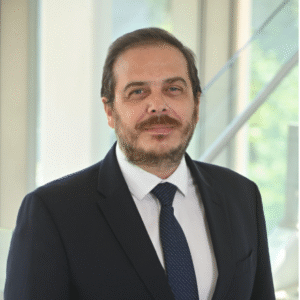
Counsel: Susan Isiko Štrba
Dr. Susan Isiko Štrba combines teaching and research with providing policy and legislative advice and technical training to governments, intergovernmental organizations and civil society. She focuses mainly on human rights, intellectual property (IP), trade and development. Dr Isiko Štrba is the author of International Copyright Law and Access to Education in Developing Countries: Exploring Multilateral Legal and Quasi-Legal Solutions, a leading guide to the functioning of international copyright law for the public interest in developing countries. She has also published numerous journal articles in the field of human rights, trade, IP and development.
She currently researches the interface of technology, intellectual property and the African Continental Free Trade Area. She is a member of the International Association for the Advancement of Teaching and Research in Intellectual Property (ATRIP) and a member of the Executive Council of the Society of International Economic Law (SIEL). Dr Isiko Štrba has taught Intellectual property, competition law and human rights in various institutions including: the Boston University (Geneva International Campus), The Graduate Institute, Trade Policy Training Centre in Africa (TRAPCA), the International University in Geneva, University of the Witwatersrand, South Africa and the WIPO Academy.